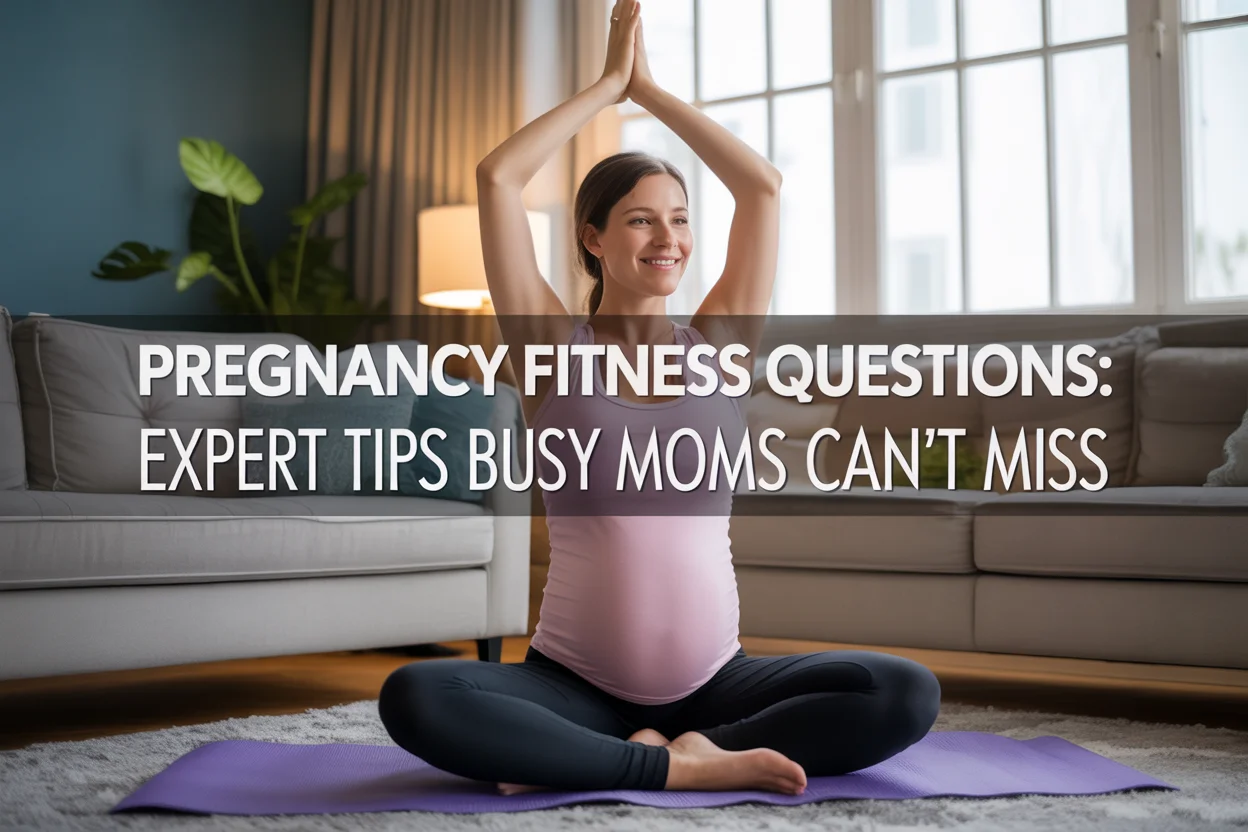
Pregnancy Fitness Questions
Pregnancy is a beautiful journey, but let’s face it—it can be challenging to find time for fitness when you’re managing a busy schedule. As a mom-to-be, you may have a ton of questions about what exercises are safe, how to stay active without overdoing it, and how to manage your energy levels during pregnancy.
You’re not alone! In this guide, we’re answering the most common pregnancy fitness questions that every busy mom needs to know, with expert-backed tips that can help you stay healthy, energized, and prepared for labor.
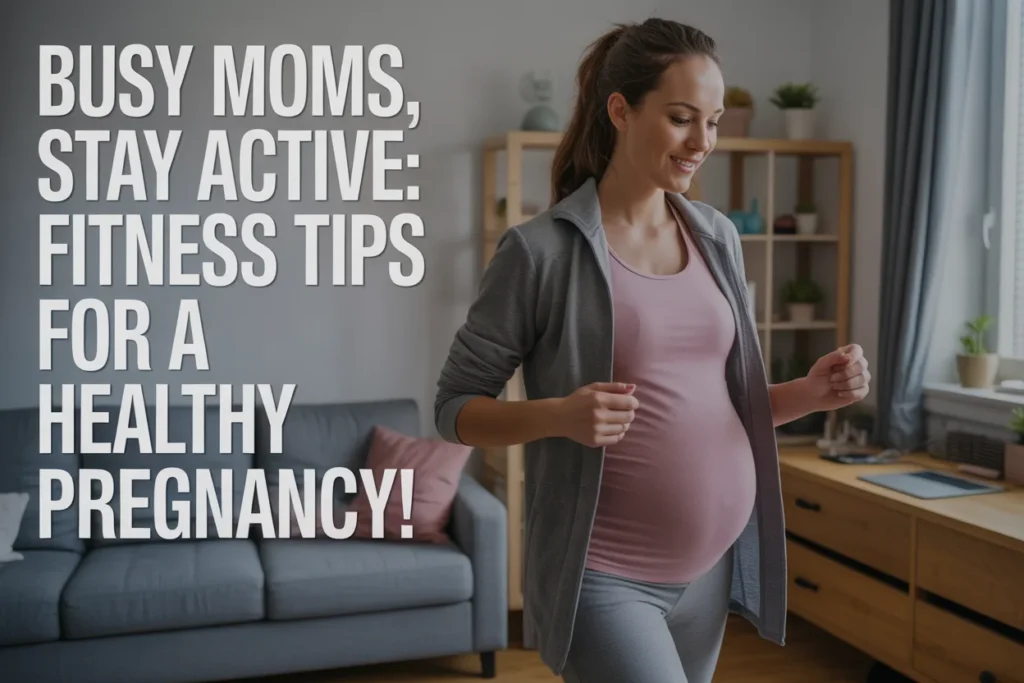
1. Is It Safe to Exercise During Pregnancy?
One of the biggest concerns many Pregnancy Fitness women have is whether it’s safe to exercise. The short answer? Yes! In most cases, moderate exercise is not only safe, but highly beneficial for both mom and baby.
Expert Tip: Activities like walking, swimming, and low-impact aerobics are excellent choices. If you’re already active before pregnancy, you can usually continue with your regular workout routine—just be mindful of your body’s changing needs and listen to any discomfort.
Why Moms Love It: Staying active helps with circulation, reduces the risk of gestational diabetes, and can even improve your mood.
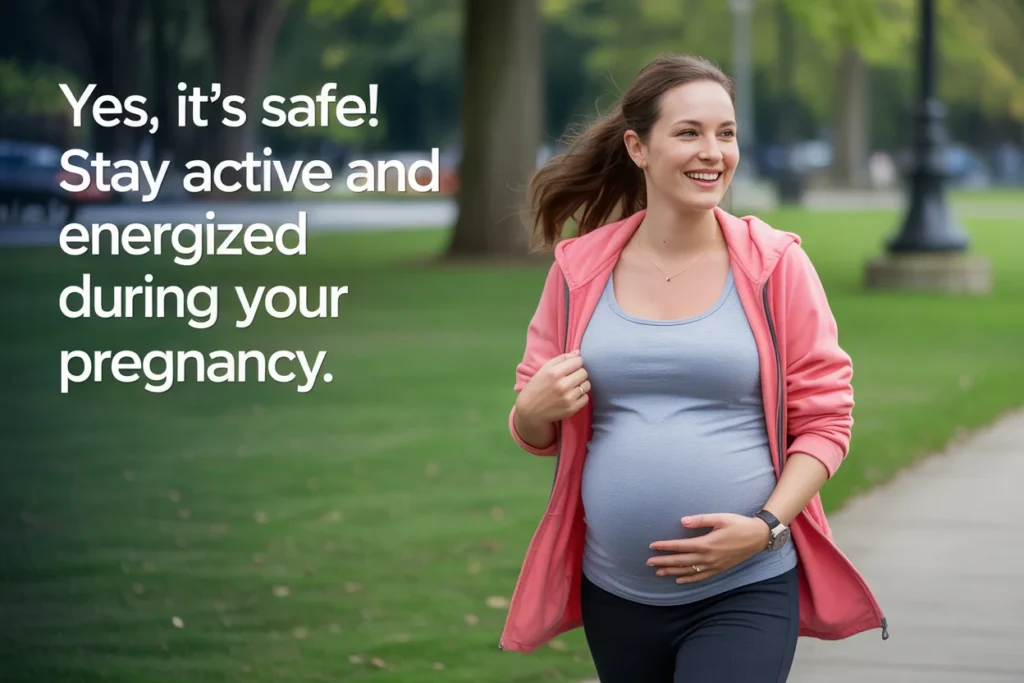
2. What Are the Best Pregnancy Exercises for Busy Moms?
Let’s face it—between work, kids, and life, finding time to hit the gym can seem impossible. Luckily, there are several easy and effective exercises that can be done at home, in just 10-15 minutes a day, to keep you in shape.
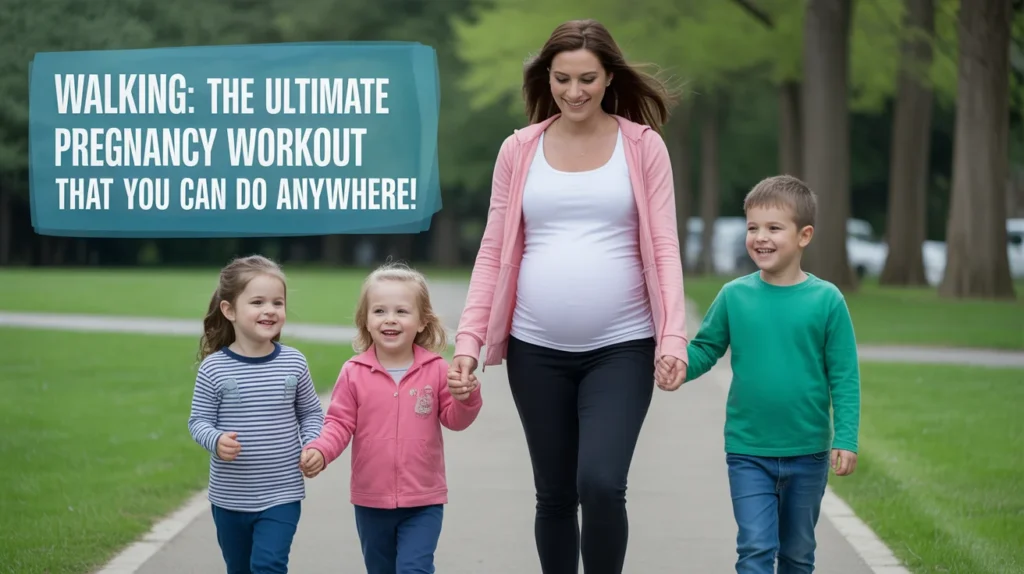
1. Walking
The ultimate low-impact Pregnancy Fitness exercise, walking is great for boosting circulation, reducing swelling, and keeping your muscles engaged. It’s something you can do with your kids or even while running errands.
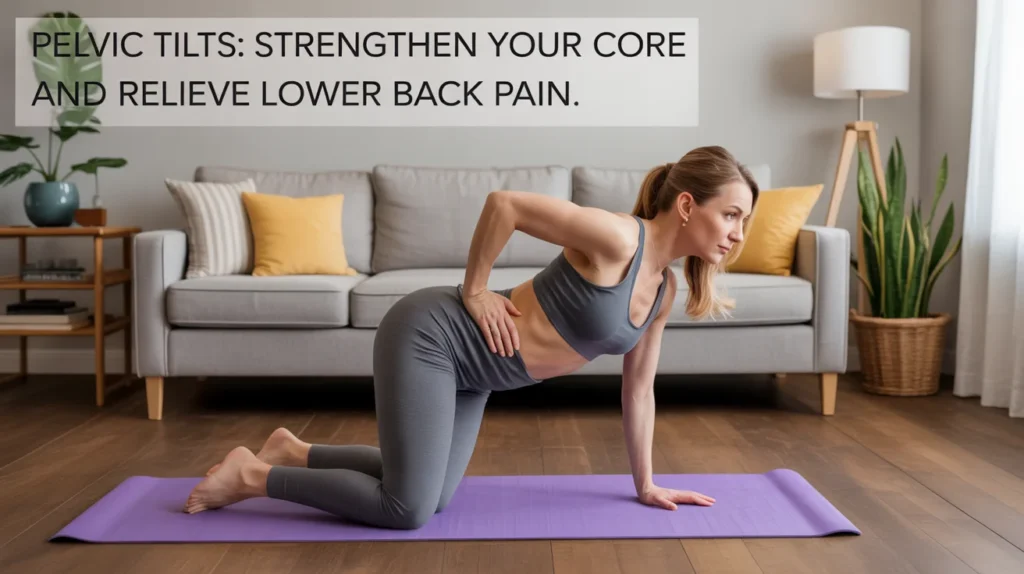
2. Pelvic Tilts
This simple move helps strengthen the lower back and core, especially as your pregnancy progresses. It also relieves lower back pain—a common issue for many moms-to-be.
How to do it: Lie on your back with knees bent. Slowly tilt your pelvis upward while tightening your core, hold for a few seconds, then release. Repeat 10-15 times.
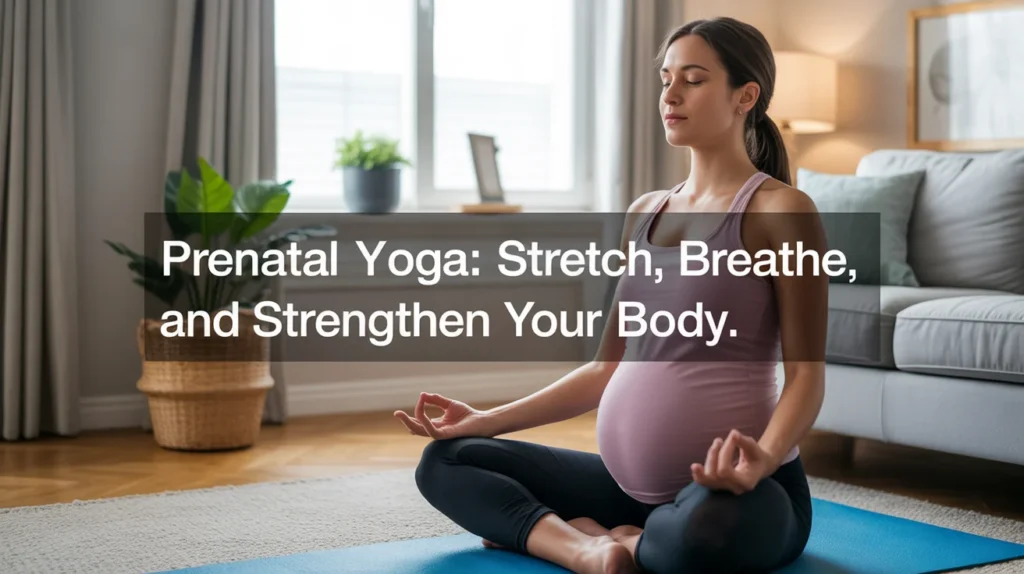
3. Prenatal Yoga
Yoga focuses on breathing, stretching, and core strength, which are all essential for pregnancy. There are many online classes designed specifically for pregnant women, so you can do it at home.
Expert Tip: Focus on poses that open up the hips and stretch the back to relieve tension.
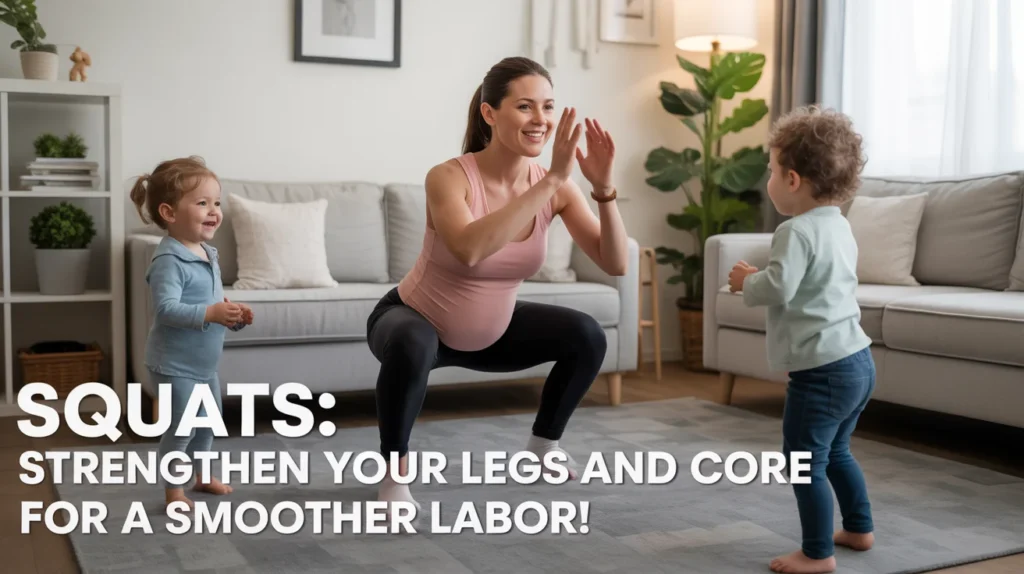
4. Squats
Squats are excellent for strengthening your legs and core muscles, which are crucial for carrying the extra weight of Pregnancy Fitness. They also prepare your body for labor by strengthening your pelvic floor muscles.
Why Moms Love It: These exercises can be done at home, even while watching TV or while your kids are playing.
3. How Can I Stay Active Without Overdoing It?
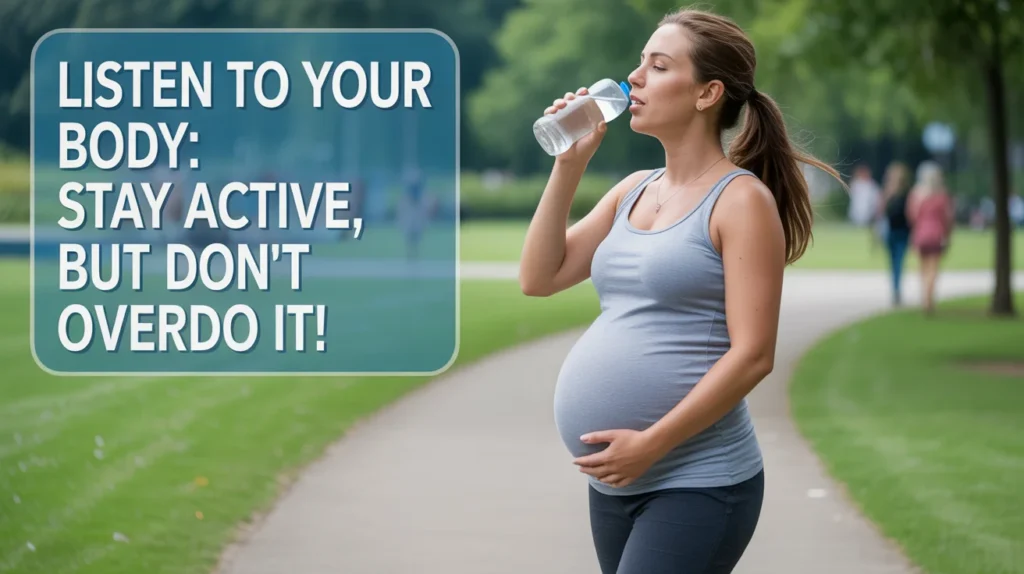
It’s important to listen to your body when exercising during pregnancy. Pushing yourself too hard can cause unnecessary strain, so moderation is key. Here are some tips for staying active without overexerting yourself:
- Pay attention to your energy levels: If you feel fatigued or short of breath, stop and rest.
- Stay hydrated: Drink plenty of water before, during, and after your workout.
- Avoid overheating: Keep your workouts cool and comfortable by exercising during the cooler parts of the day and wearing breathable clothes.
- Take breaks: Don’t hesitate to take breaks during exercises. You’re not in a race—focus on quality, not quantity.
Expert Tip: If you have any concerns or medical conditions (like high blood pressure or previous pregnancy complications), check with your healthcare provider before starting any new exercise routine.
4. Can I Continue Strength Training During Pregnancy?
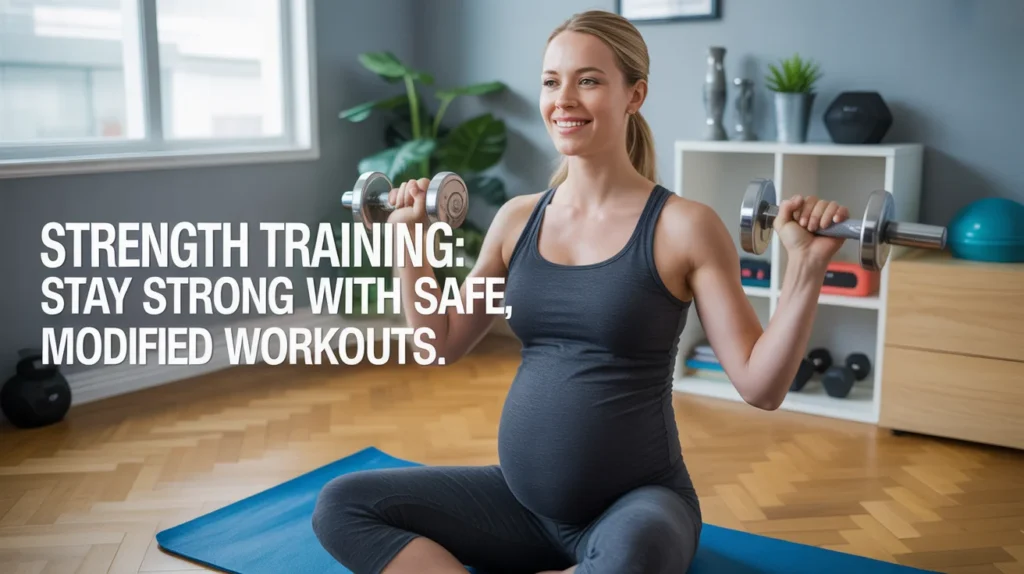
Strength training is safe during pregnancy, but it’s important to modify your routine to avoid overexertion and ensure proper form. If you’ve been lifting weights before pregnancy, you can likely continue, but with a few key modifications:
- Focus on lighter weights and higher reps.
- Avoid exercises that require you to lie flat on your back, especially after the first trimester.
- Use proper form: Maintaining good posture is key to preventing injury.
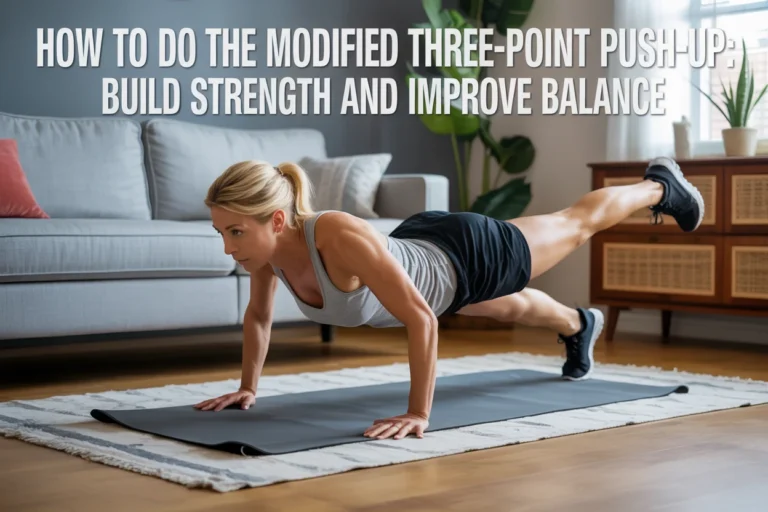
Expert Tip: Use resistance bands or bodyweight exercises like squats, lunges, and modified push-ups to build strength safely during pregnancy.
5. When Should I Stop Exercising During Pregnancy?
Most experts recommend continuing moderate exercise throughout your pregnancy, but there are certain signs to watch for. Stop exercising if you experience:
- Dizziness or faintness
- Chest pain or shortness of breath
- Severe headache
- Pain or swelling in your legs
- Contractions or unusual spotting
Expert Tip: If you experience any of these symptoms, stop immediately and consult your doctor. It’s always better to err on the side of caution.
6. How Can I Manage Pregnancy Fatigue?
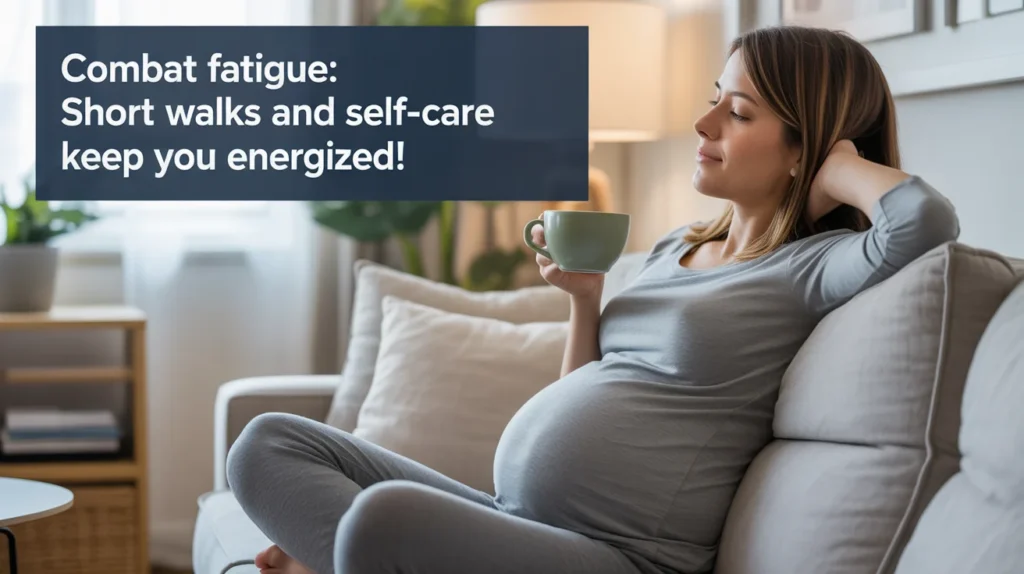
It’s common to feel tired during pregnancy, especially in the first and third trimesters. But did you know that regular exercise can actually help combat fatigue? Here’s how:
- Break it up: Try shorter, more frequent walks throughout the day instead of long exercise sessions.
- Prioritize rest: Don’t forget to rest when needed—your body is doing a lot of work growing a baby!
- Eat well: Make sure you’re fueling your body with healthy, nutritious foods that provide the energy you need.
Why Moms Love It: The more active you stay, the more energy you’ll have in the long run—plus, the endorphins from exercise will help keep your mood up.
7. What Should I Wear When Exercising During Pregnancy?
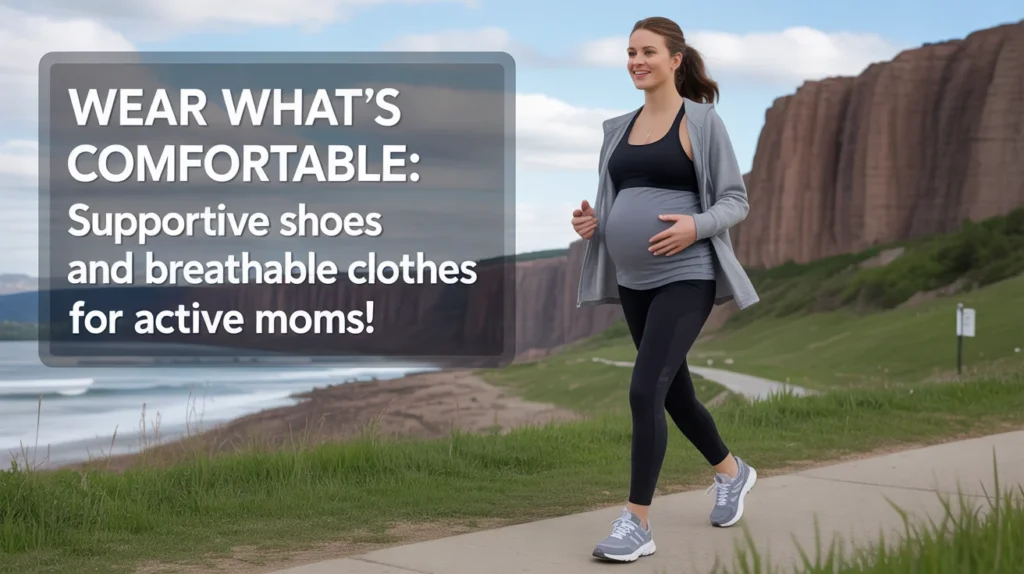
Proper attire is essential when exercising during pregnancy. Here’s what you need:
- Supportive shoes: Invest in a good pair of sneakers with arch support to avoid back or foot pain.
- Comfortable, breathable clothes: Opt for moisture-wicking fabrics that keep you cool and dry during your workouts.
- Maternity workout gear: As your belly grows, a maternity workout bra and pants will help keep you comfortable while you exercise.
Expert Tip: Consider wearing a supportive belly band if you’re experiencing back pain or discomfort while exercising.
8. How Can I Make Fitness a Habit During Pregnancy?
Building a fitness routine during pregnancy doesn’t have to be overwhelming. Here are some tips to make exercise a regular part of your day:
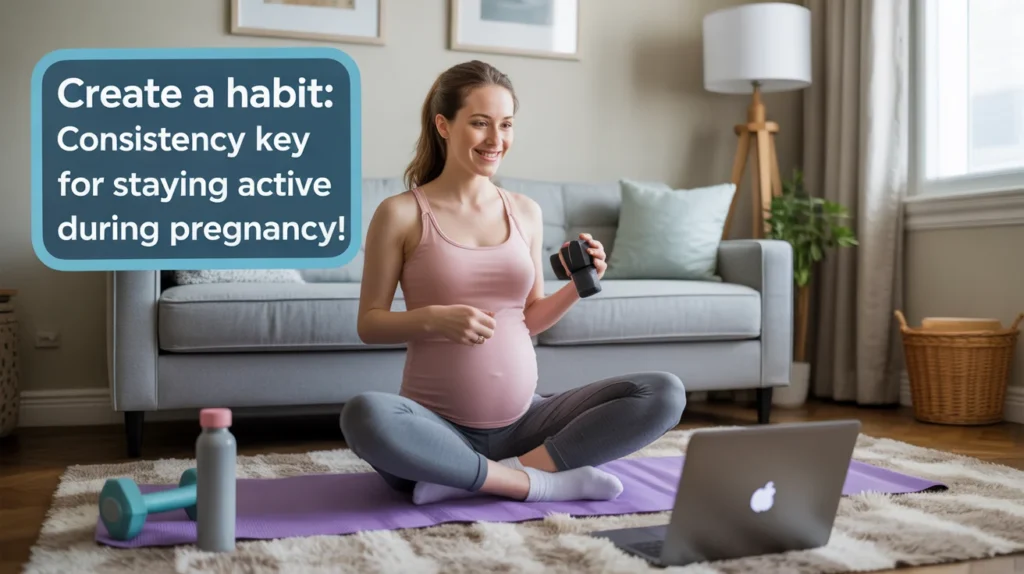
- Set a consistent time: Try to exercise at the same time each day, even if it’s just a quick walk or stretch.
- Involve your partner or kids: Take family walks or go to a local park to make fitness more fun.
- Keep it simple: Choose simple exercises that don’t require a lot of time or equipment, like walking, stretching, or yoga.
Expert Tip: Start small and gradually build up your fitness routine. Even 10 minutes of movement a day can have a huge impact.
Key Takeaways
- Exercise is safe and beneficial during pregnancy for most women. It can help you stay fit, reduce fatigue, and prepare for labor.
- Low-impact exercises like walking, prenatal yoga, and pelvic tilts are great choices for busy moms.
- Listen to your body and don’t overdo it—moderation is key.
- Proper hydration, rest, and supportive clothing can make your fitness routine more comfortable and enjoyable.
- Stay active in a way that fits your schedule—every little bit of movement counts!
FAQ
Q1: How many days a week should I exercise during pregnancy?
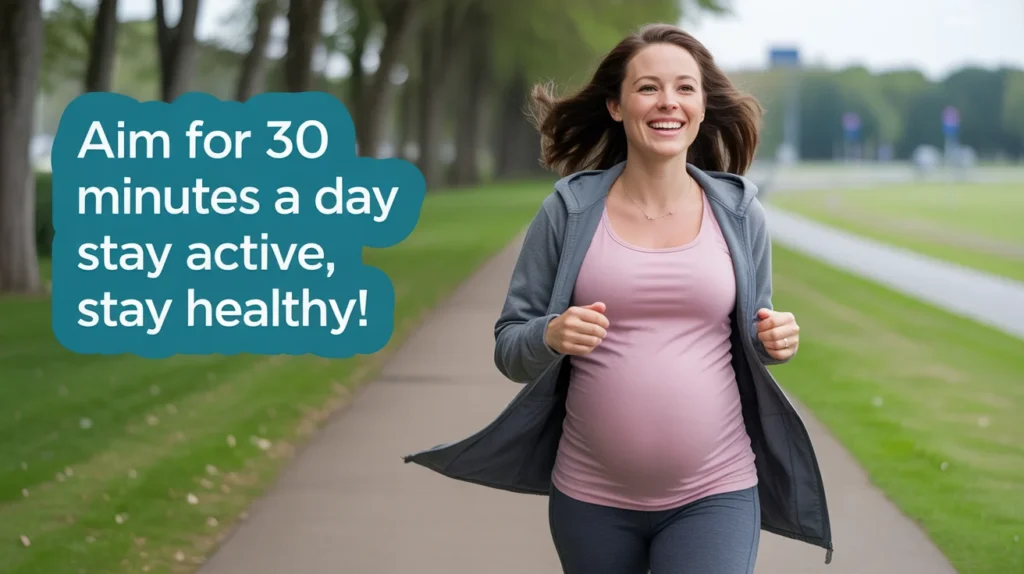
It’s recommended to aim for at least 150 minutes of moderate-intensity exercise per week. That breaks down to about 30 minutes a day, 5 days a week.
Q2: Is it too late to start exercising in the second trimester?
No, it’s never too late! Starting in the second trimester is actually a great time to build a fitness routine since you’re usually feeling better by then.
Q3: Can exercise help with labor and delivery?
Yes! Regular exercise helps strengthen muscles needed for labor and may improve your endurance. Women who stay active during pregnancy often report easier labor and faster recovery.
Conclusion
Pregnancy is a time of incredible change, but staying fit and active during this period can help you feel better, boost your energy, and even prepare your body for childbirth. Whether you have 10 minutes or 30 minutes a day, incorporating exercise into your routine will benefit both you and your baby. Start with small, manageable steps, and don’t forget to listen to your body as you go!