Introduction To Modern Yoga Breathing Techniques
You may be familiar with basic breathing exercises, but the world of pranayama is vast and full of unique practices. Beyond the common techniques, there are many modern and less-familiar Yoga Breathing Techniques that offer distinct experiences. These methods can help you fine-tune your focus, shift your energy, and deepen your connection to your body.
Yoga Breathing Techniques dedicated to exploring these specific practices. We will skip the general background and dive straight into the “how-to” of ten powerful, and perhaps new-to-you, breathing exercises. Get ready to expand your pranayama toolkit with detailed, step-by-step instructions for each one.
1. Chandra Bhedana (Moon-Piercing Breath)
Chandra Bhedana is the counterpart to the more commonly known Surya Bhedana (Sun-Piercing Breath). This technique is designed to be cooling and calming, activating the ida nadi, or the lunar energy channel, which is associated with relaxation and the parasympathetic nervous system. It’s an excellent practice for winding down in the evening or cooling off on a hot day.
How to Practice Chandra Bhedana:
- Sit in a comfortable, upright position.
- Bring your right hand up to your face and form Vishnu Mudra by folding your index and middle fingers toward your palm. You will use your thumb to close your right nostril and your ring finger to close your left.
- Gently close your right nostril with your thumb.
- Inhale slowly and deeply through your left nostril.
- At the top of the inhale, close your left nostril with your ring finger and release your thumb from the right nostril.
- Exhale completely through your right nostril.
- This completes one round. To continue, always inhale through the left and exhale through the right. Practice for 10-15 rounds.

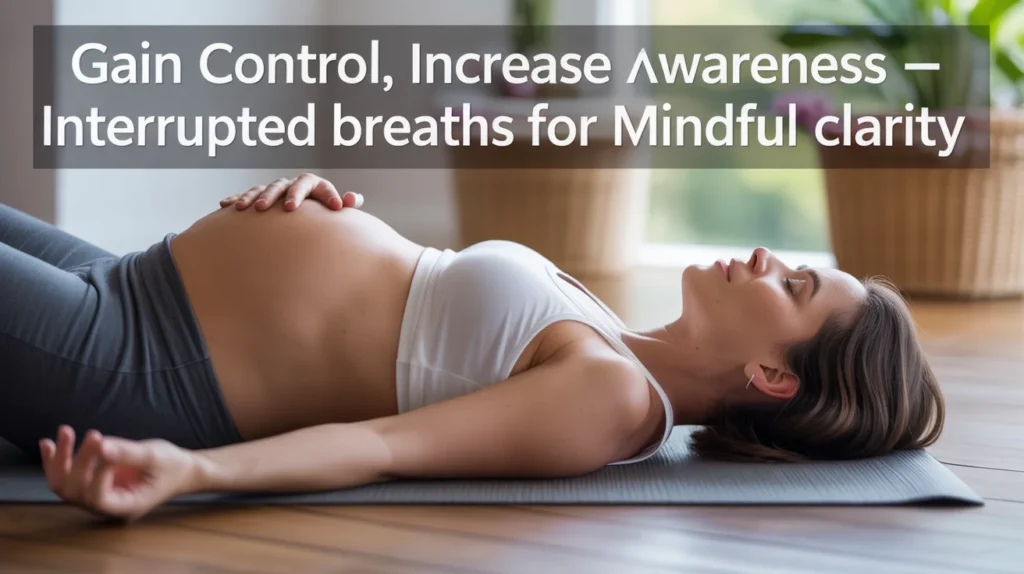
2. Viloma Pranayama (Interrupted Breath)
Viloma Pranayama involves interrupting the flow of the breath, either on the inhale or the exhale. This type of Yoga Breathing Techniques helps increase breath awareness and control, making you more conscious of the capacity of your lungs. It can be energizing or relaxing depending on whether you pause during the inhalation or exhalation.
How to Practice Viloma Pranayama (Inhale Pauses):
- Lie down comfortably on your back.
- Exhale completely.
- Begin to inhale for 2-3 seconds, then pause, holding the breath for 2 seconds.
- Inhale again for another 2-3 seconds, filling your lungs a bit more, and then pause again.
- Continue this pattern of inhaling and pausing until your lungs feel completely full.
- Once full, exhale slowly and smoothly in one continuous stream.
- Repeat this cycle for 5-10 minutes.
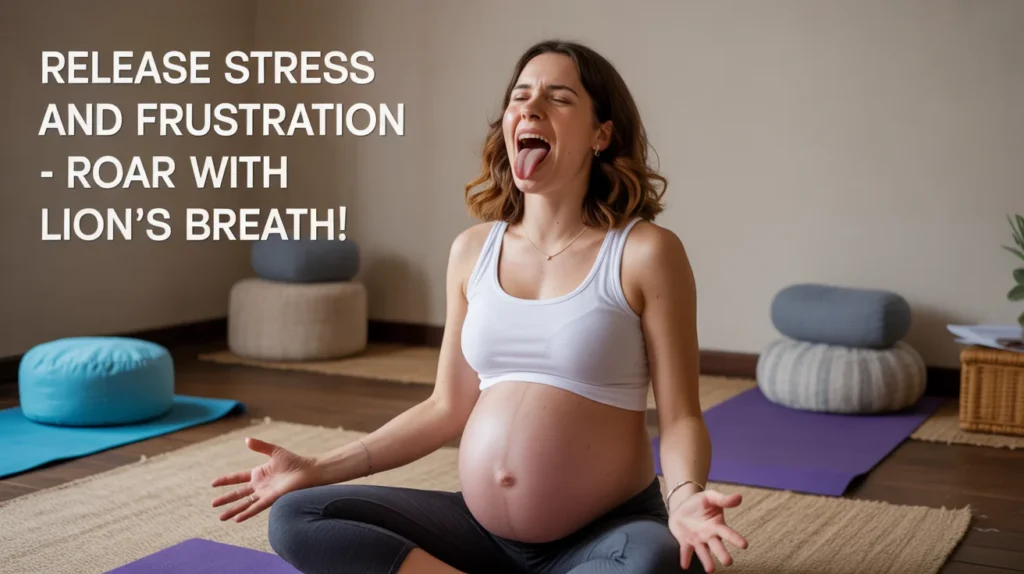
3. Simhasana (Lion’s Breath)
While it might look and feel a little silly, Simhasana is a powerful Yoga Breathing Techniques for releasing tension in the face, jaw, and throat. It’s a wonderfully cathartic breath that can help relieve stress and frustration. This is one of the more expressive Yoga Breathing Techniques.
How to Practice Simhasana:
- Kneel on the floor, crossing your right ankle over your left, and sit back on your heels.
- Press your palms firmly against your knees with your fingers spread wide.
- Inhale deeply through your nose.
- On the exhale, open your mouth wide, stick your tongue out, and curl it down toward your chin.
- Exhale forcefully with a “ha” sound that comes from deep within your abdomen.
- As you exhale, gaze upward, focusing your eyes between your eyebrows or at the tip of your nose.
- Relax your face and breathe normally before repeating 3-5 times. Switch the cross of your ankles halfway through.
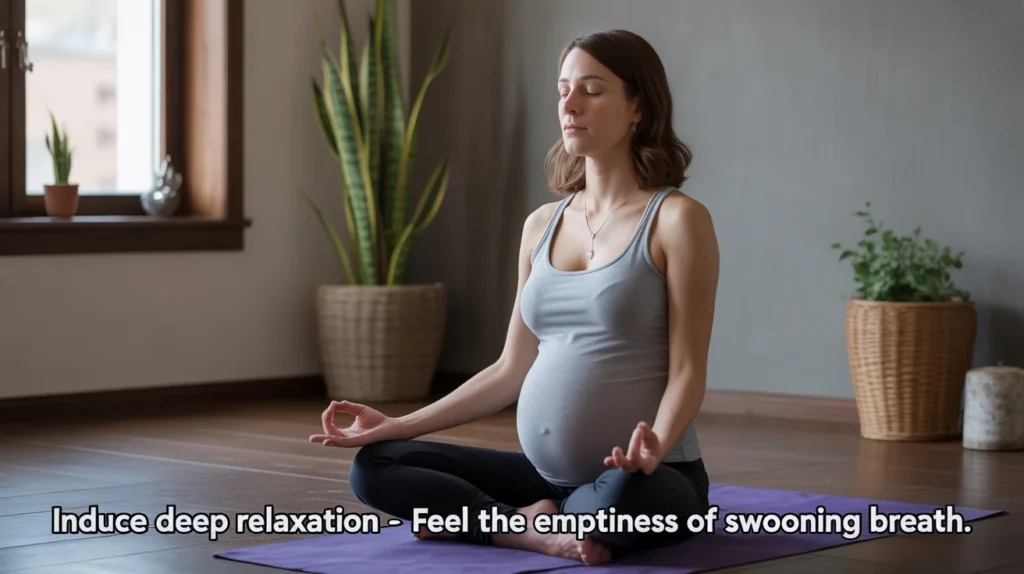
4. Murccha Pranayama (Swooning or Fainting Breath)
Murccha Pranayama is an advanced Yoga Breathing Techniques intended to induce a feeling of light-headedness or a “swoon,” leading to a state of conscious relaxation. Because of its intensity, it should be approached with caution and ideally learned from an experienced teacher. It creates a sensation of emptiness that can be profoundly meditative.
How to Practice Murccha Pranayama:
- Sit in a stable, comfortable meditation posture.
- Inhale slowly and deeply through both nostrils.
- At the peak of the inhalation, tuck your chin to your chest (Jalandhara Bandha) and hold your breath.
- Hold the breath for as long as is comfortable, without any strain.
- When you are ready to exhale, lift your head, keep the chin parallel to the floor, and exhale slowly and controlled through your nostrils.
- The goal is the sensation of emptiness that follows the extended hold and slow release. Start with short holds and gradually extend them as you become comfortable.
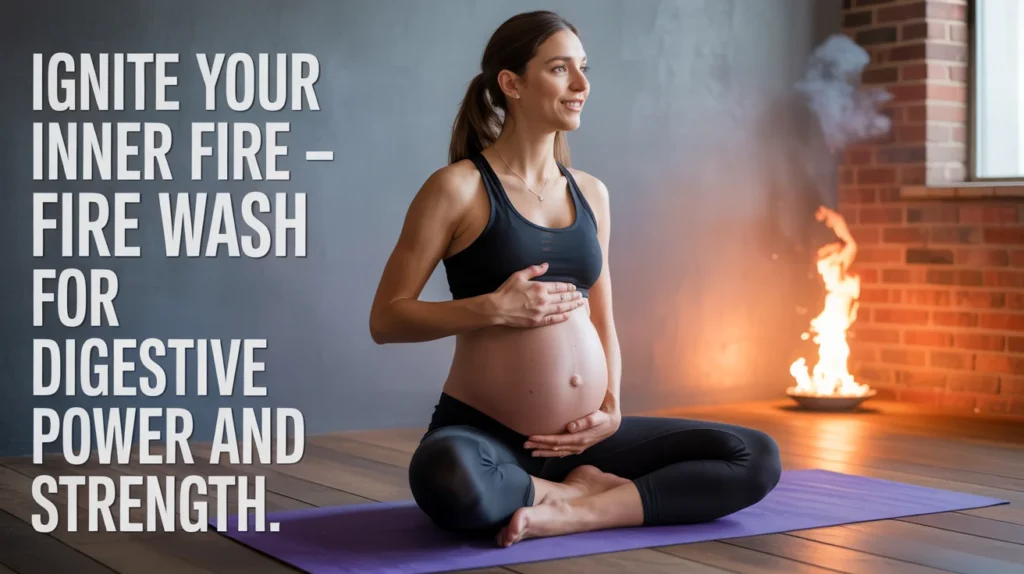
5. Agni Sara (Fire Wash)
Agni Sara is a powerful practice for stimulating digestive fire (agni) and toning the abdominal organs. It’s not a traditional pranayama in that it doesn’t focus on long inhales and exhales but rather on a breath hold while manipulating the abdomen.
How to Practice Agni Sara:
- Stand with your feet about hip-width apart, knees slightly bent.
- Place your hands on your thighs, keeping your arms straight to support your upper body.
- Inhale deeply, then exhale forcefully through your mouth, emptying your lungs as much as possible.
- Hold the breath out.
- Without inhaling, begin to snap your abdomen in and out. Pull your navel back toward your spine, then release it.
- Continue this pumping motion for as long as you can comfortably hold the breath out.
- When you need to breathe, relax your abdomen and take a slow, gentle inhale.
- Perform 3-5 rounds.
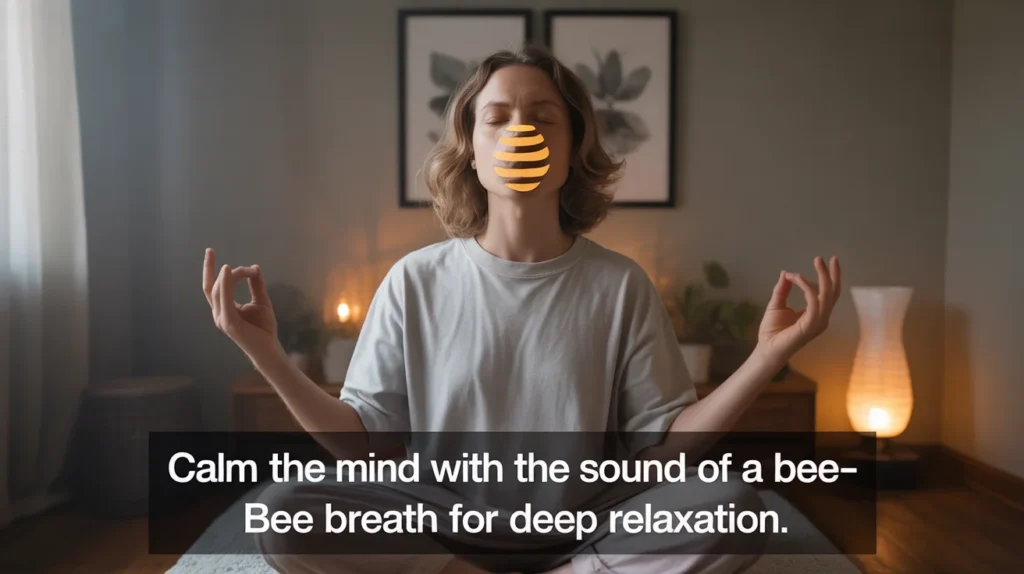
6. Brahmari Pranayama (Bee Breath)
Brahmari, or Bee Breath, uses sound vibration to calm the mind. The humming sound soothes the nervous system, making it an excellent technique for releasing anxiety, anger, and frustration. Research from institutions like the National Institutes of Health has explored how such practices can positively affect the nervous system.
How to Practice Brahmari Pranayama:
- Sit in a comfortable position with your spine straight.
- Gently close your eyes.
- You can close your ears with your thumbs or index fingers to intensify the internal vibration.
- Take a deep breath in through your nose.
- On the exhale, keep your mouth closed and make a low-to-medium-pitched humming sound, like a bee.
- Feel the vibration resonate through your skull and chest.
- Continue for 6-10 rounds, focusing entirely on the sensation of the sound.
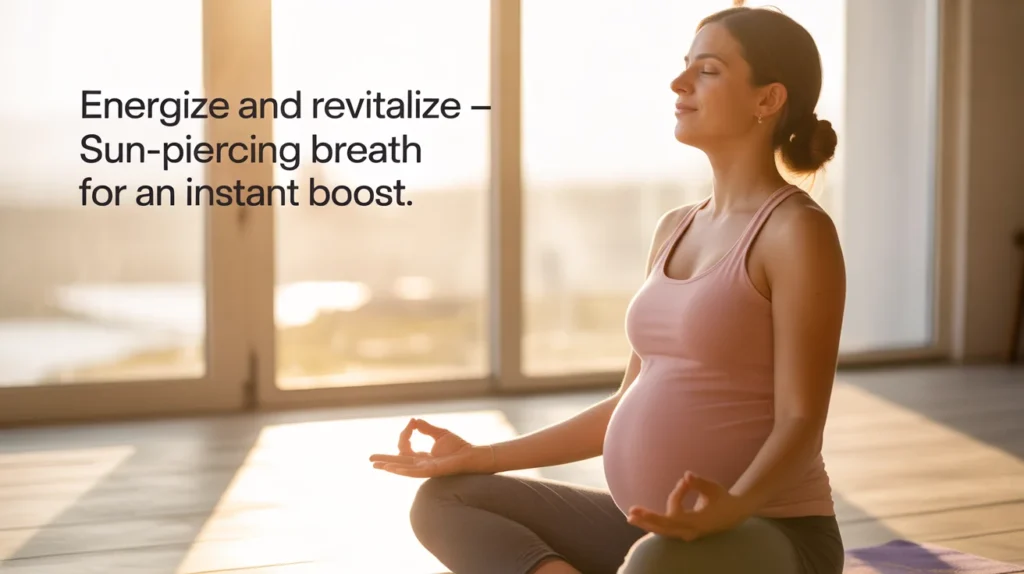
7. Surya Bhedana (Sun-Piercing Breath)
Surya Bhedana is the opposite of Chandra Bhedana. It is a heating, energizing pranayama that activates the pingala nadi, or the solar energy channel. This is a great practice for the morning or anytime you feel sluggish and need a natural boost of energy and alertness.
How to Practice Surya Bhedana:
- Sit upright and bring your right hand into Vishnu Mudra (index and middle fingers folded down).
- Close your left nostril with your ring finger.
- Inhale slowly and deeply through your right nostril.
- At the end of the inhale, close your right nostril with your thumb and release your ring finger.
- Exhale completely through your left nostril.
- This completes one round. To continue, always inhale through the right and exhale through the left. Practice for 10-15 rounds.
8. Sitali Pranayama (Cooling Breath)
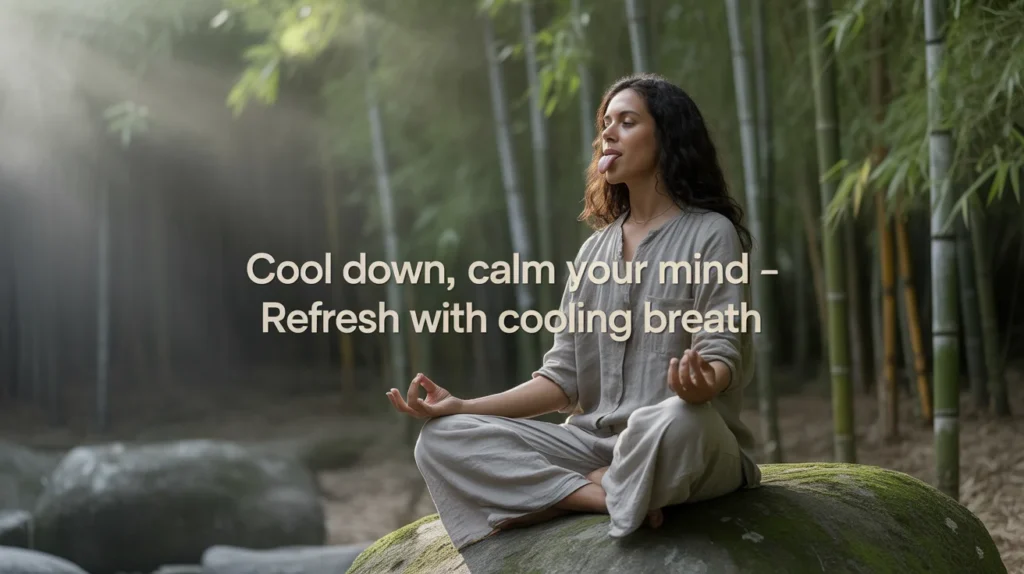
Sitali is a unique cooling breath that uses the tongue to lower body temperature and calm the mind. It is especially beneficial during hot weather or after a vigorous physical practice. Not everyone can curl their tongue, but there’s a modification for that.
How to Practice Sitali Pranayama:
- Sit comfortably with a straight spine.
- Stick your tongue out and curl the sides together to form a tube or straw.
- Inhale slowly through the tube of your tongue, as if sipping air through a straw. You will notice a cooling sensation.
- At the end of the inhale, draw your tongue back into your mouth and close your lips.
- Exhale slowly through your nose.
- Repeat for 10-15 cycles.
Modification: Sitkari Pranayama
If you cannot curl your tongue, practice Sitkari. Gently press your teeth together and part your lips. Inhale slowly through the gaps in your teeth, creating a hissing sound. Then, close your mouth and exhale through your nose.
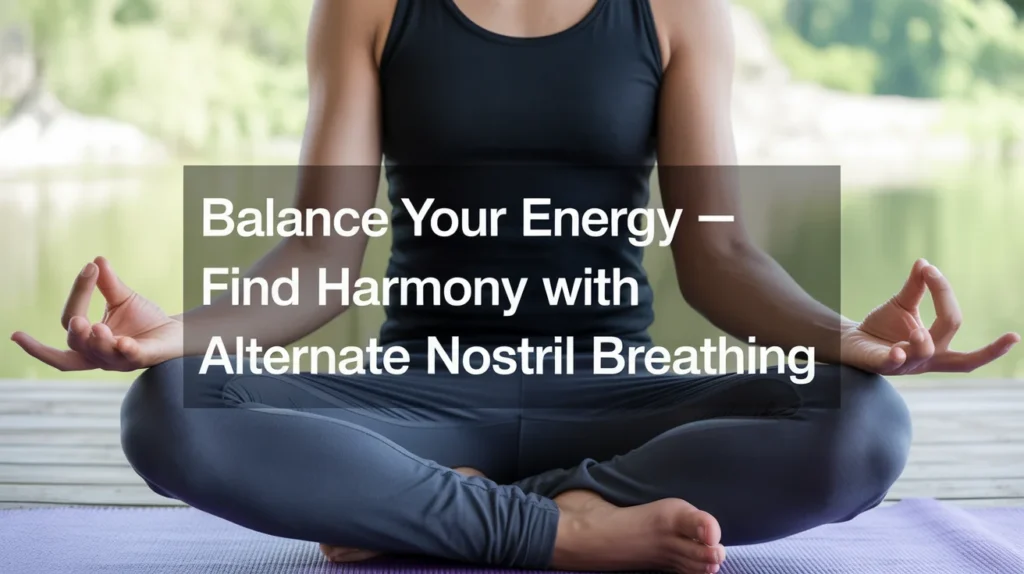
9. Anulom Vilom (Preparatory Alternate Nostril Breathing)
Often confused with Nadi Shodhana, Anulom Vilom is a simpler version without breath retention (kumbhaka). It is one of the most balancing Yoga Breathing Techniques, harmonizing the nervous system and promoting mental clarity. This is a great entry point to more complex alternate nostril practices.
How to Practice Anulom Vilom:
- Sit in a comfortable posture.
- Use Vishnu Mudra with your right hand.
- Close the right nostril with your thumb and exhale fully through the left.
- Inhale through the left nostril for a count of four.
- Close the left nostril with your ring finger, release the right, and exhale through the right nostril for a count of eight.
- Inhale through the right nostril for a count of four.
- Close the right nostril, release the left, and exhale through the left nostril for a count of eight.
- This completes one round. Continue for 5-10 minutes.
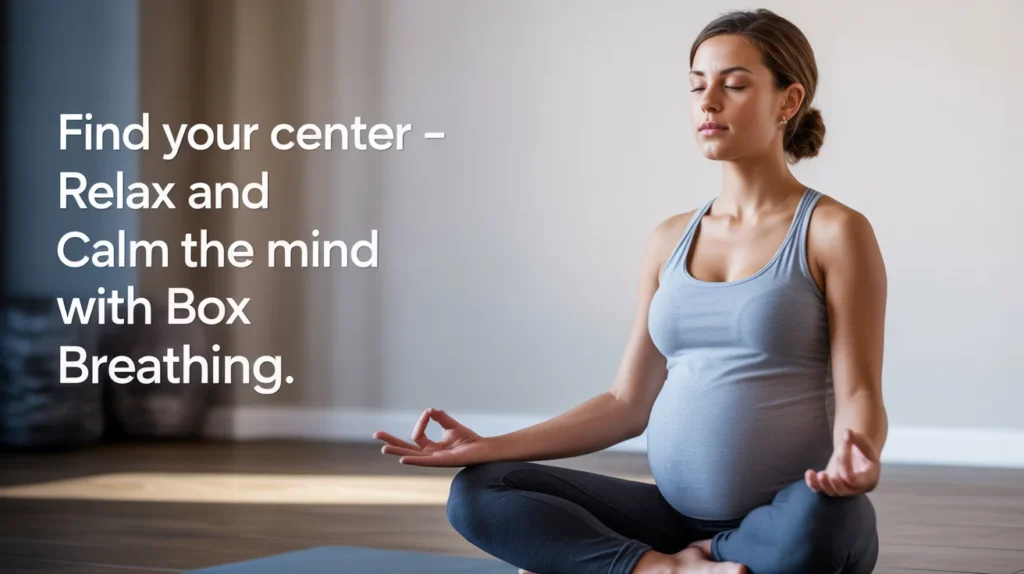
10. Box Breathing (Sama Vritti Variation)
Popularized by Navy SEALs for its ability to induce calm under pressure, Box Breathing is a structured technique that is easy to remember and highly effective. It expands on the idea of Sama Vritti (Equal Breath) by adding equal-length breath retentions.
How to Practice Box Breathing:
- Find a comfortable seated position.
- Exhale completely to a count of four.
- Hold your breath, lungs empty, for a count of four.
- Inhale slowly through your nose for a count of four.
- Hold your breath at the top of the inhale, lungs full, for a count of four.
- This four-part cycle forms one “box.” Repeat the entire sequence for 5-10 minutes.
Conclusion: Find Your Breath, Find Your Center
Exploring these diverse Yoga Breathing Techniques can add new depth to your wellness routine. Each practice offers a different tool for managing your energy, emotions, and mental state. Start by choosing one or two techniques that resonate with you.
Practice them consistently for a few minutes each day and notice the subtle shifts they create. Whether you need to cool down, energize, or find a moment of peace, the right breathing technique is always available to you. Remember to approach these practices with curiosity and without judgment.