Introduction To Listeria Dangers
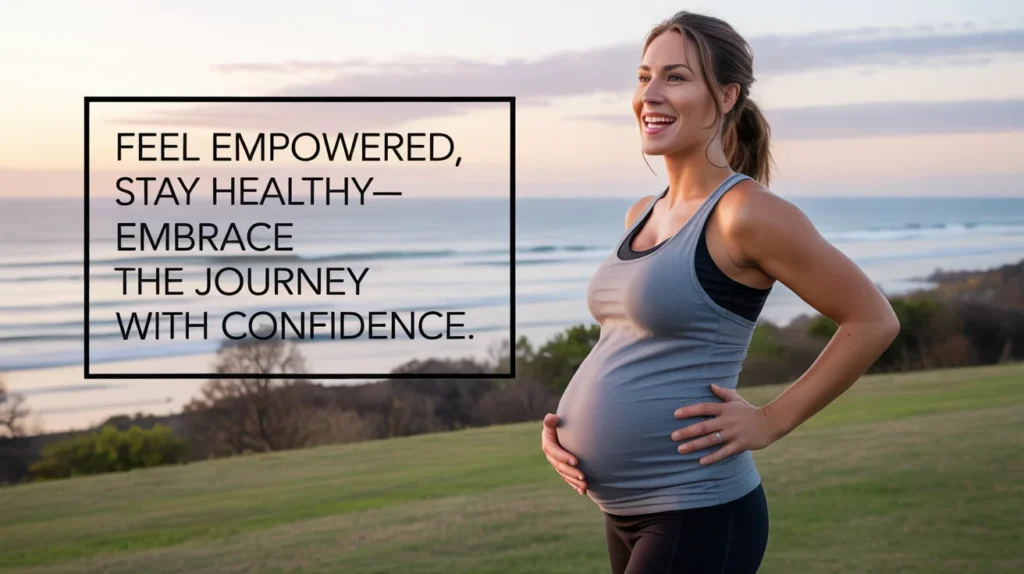
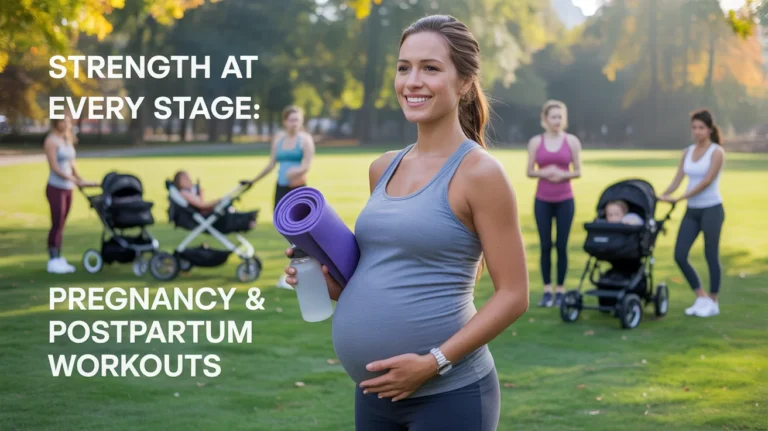
Pregnancy is a life-changing journey, and staying active can make it even more rewarding. Physical activity supports your changing body, helps manage stress, and boosts your energy—especially for busy moms-to-be.

However, you need to be aware of unique pregnancy risks, including the dangers of Listeria, which can sometimes relate to gym environments and exercise gear, not just food. This guide will show you how to exercise safely during pregnancy, stay healthy, and minimize risks, even if your schedule is packed.
Why Exercise Is Important During Pregnancy
Regular physical activity can improve your mood, help with sleep, and reduce the risk of issues like gestational diabetes and high blood pressure. Exercise strengthens the heart, tones muscles, and prepares your body for childbirth.
Busy moms benefit especially since active routines can support mental health and promote smoother postpartum recovery. However, your body changes a lot during pregnancy, which means certain exercise adjustments and extra precautions are vital—including a basic awareness of the dangers of Listeria in public and shared fitness spaces.

Key Takeaways
- Staying active during pregnancy offers physical and mental benefits.
- Some precautions are necessary to avoid potential infections, such as Listeria, especially in shared exercise spaces.
- Consult your doctor before starting any new workout routine.
- Listen to your body and adjust activities as your pregnancy progresses.
- Hygiene and safe equipment use are essential for keeping both mom and baby healthy.
Recognizing Exercise Risks in Pregnancy
Not all workouts are suitable for pregnant women. Increased hormone levels cause ligaments to loosen, making you more prone to strains and injuries. Overheating and dehydration also pose risks to you and your developing baby.
While food remains the most common way for the dangers of Listeria to affect pregnancy, poorly cleaned gym equipment, drink bottles, or towels can also be potential sources of harmful bacteria in rare cases. That’s why hygiene is a must in public workout spaces.
Common issues to look out for:
- Dizziness or feeling faint
- Shortness of breath before starting exercise
- Chest pain
- Headache
- Muscle weakness or calf pain
- Vaginal bleeding or fluid leaks
If you experience any of these symptoms, stop exercising and contact your healthcare provider right away.

Safe Workouts: What Can Busy Moms Do?
When time is limited, focus on workouts that are both safe and effective. Here are some great options:
Pregnancy-Friendly Exercise Routines
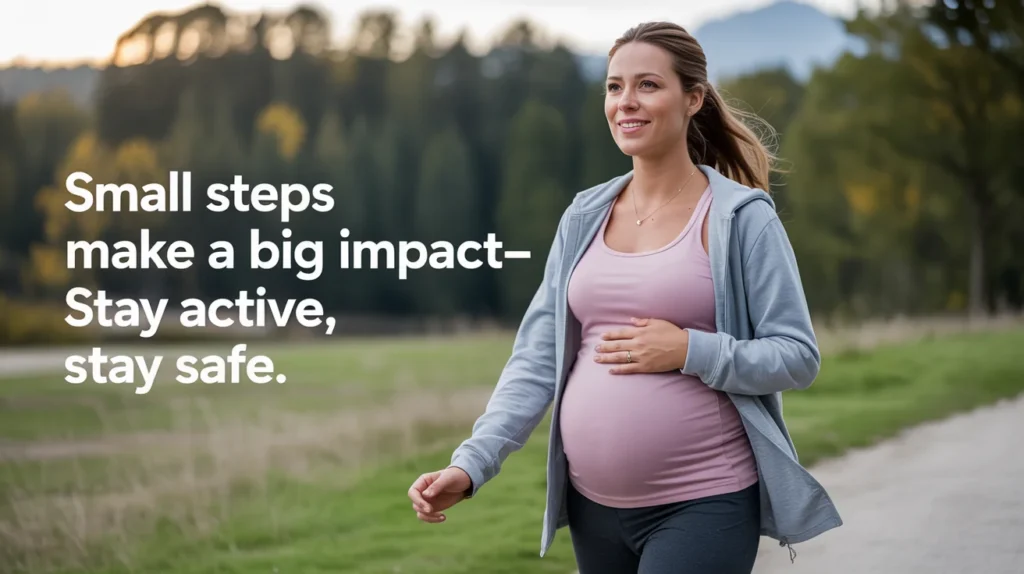
- Walking: Easy, effective, and can be done almost anywhere.
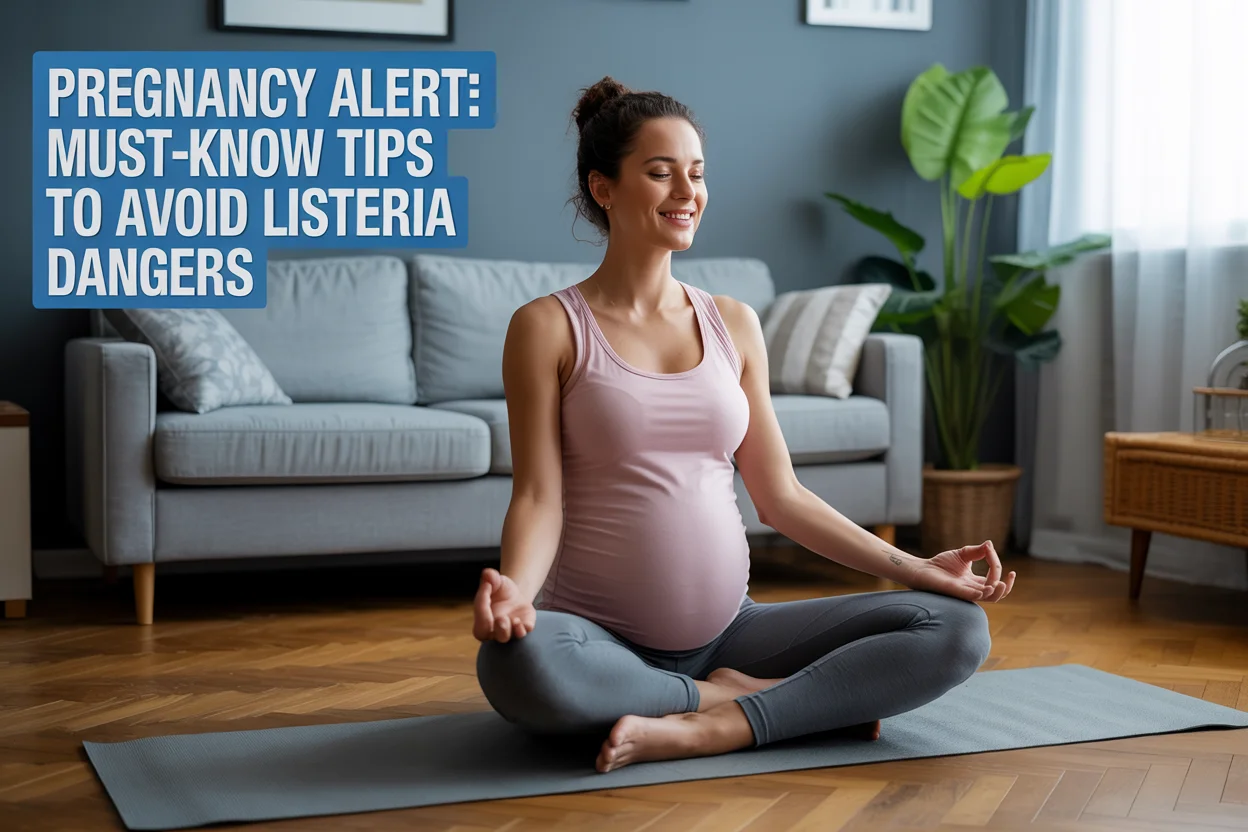
- Prenatal Yoga: Enhances flexibility, relaxation, and stress reduction.
- Swimming: Supports joints and cools the body to prevent overheating.
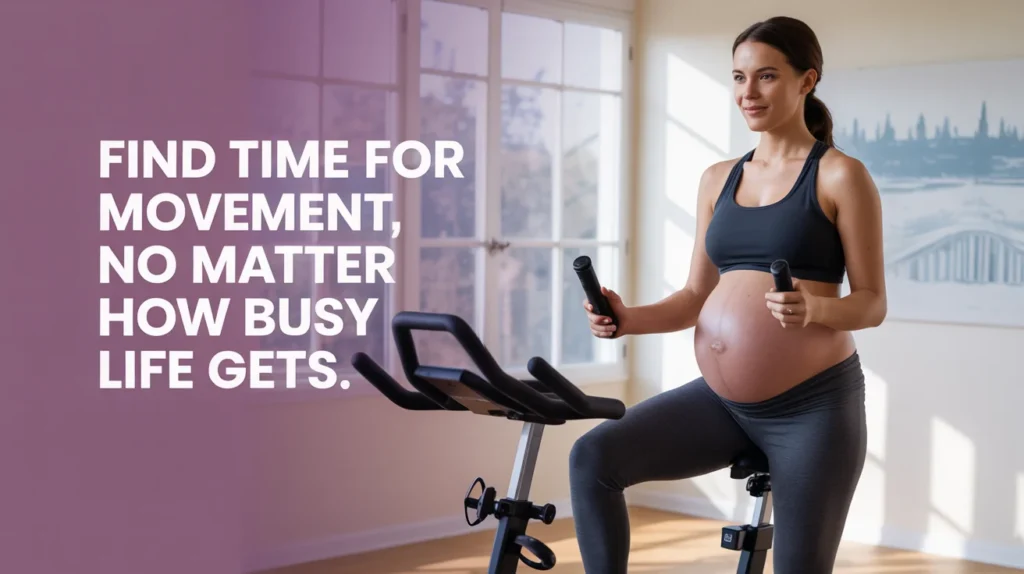
- Stationary Cycling: Safe alternative to road cycling with less risk of falls.
- Light Strength Training: Builds muscle and supports changing posture—use lighter weights and slow movements.
- Modified Aerobics: Classes specifically for pregnancy are ideal.
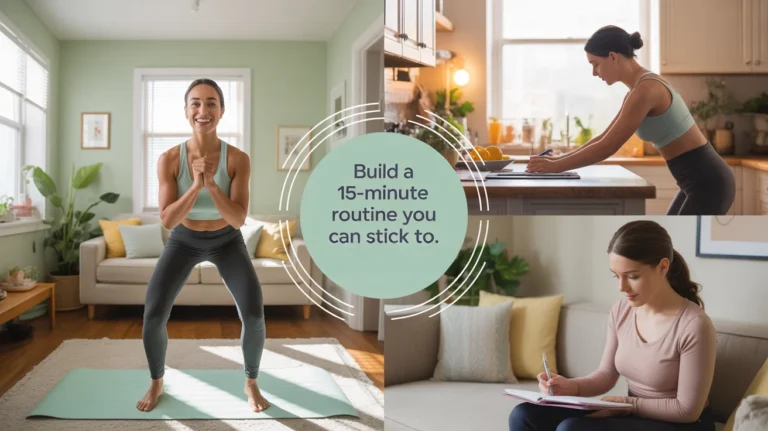
Busy moms can fit these activities into short, manageable sessions—even 10- to 20-minute workouts add up and make a difference.
Hygiene Matters: Avoiding Exercise-Related Infections
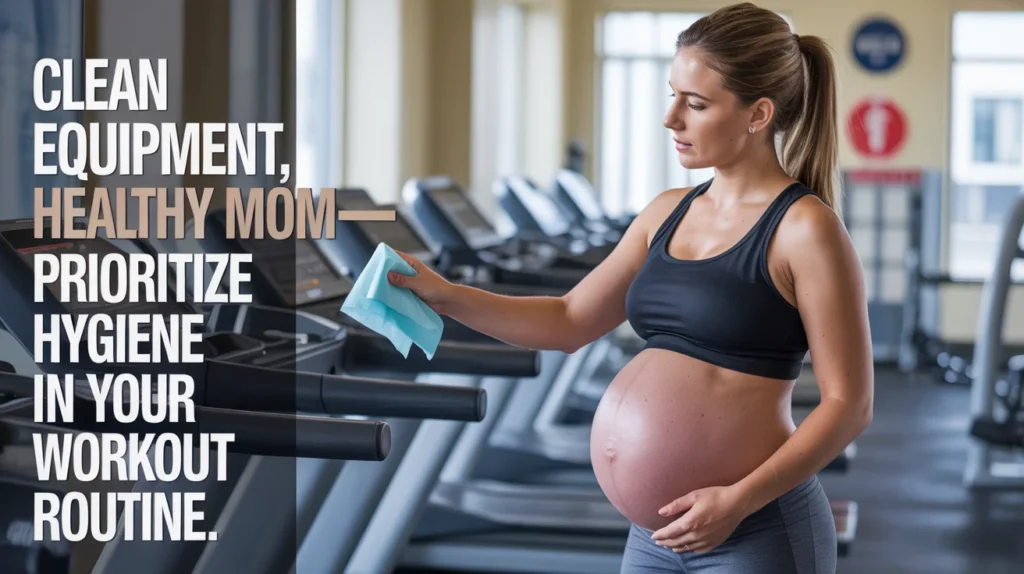
While exercise is largely safe, attention to hygiene in gyms and public spaces is crucial. Bacteria, including the germs that cause the dangers of Listeria, can survive on shared fitness equipment, locker room surfaces, and in reused water bottles.
Tips to stay protected:
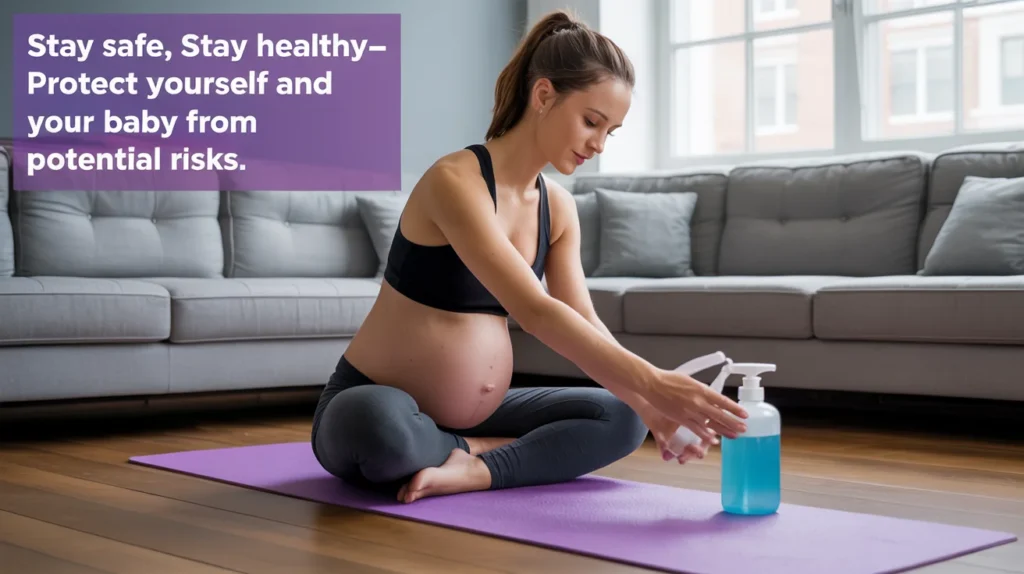
- Always wipe down machines and mats before and after use with approved disinfectant.
- Bring your own towel and water bottle; wash them after every use.
- Avoid sharing exercise gear.
- Wash hands before and after working out.
- Change out of sweaty clothes promptly to prevent skin irritation.
Hygiene Comparison Table
| Practice | Safe Approach | Higher Risk |
|---|---|---|
| Water bottles | Use a clean, personal bottle | Sharing/unwashed bottles |
| Towels | Bring your own, wash after use | Using shared/unwashed towels |
| Exercise mats | Bring/wipe down before use | Using shared mats uncleaned |
| Gym equipment | Disinfect before/after each use | No cleaning between uses |
| Clothing | Clean, breathable, changed daily | Repeated use of sweaty/dirty gear |
Stretching and Warm-Ups: Key Steps to Safety
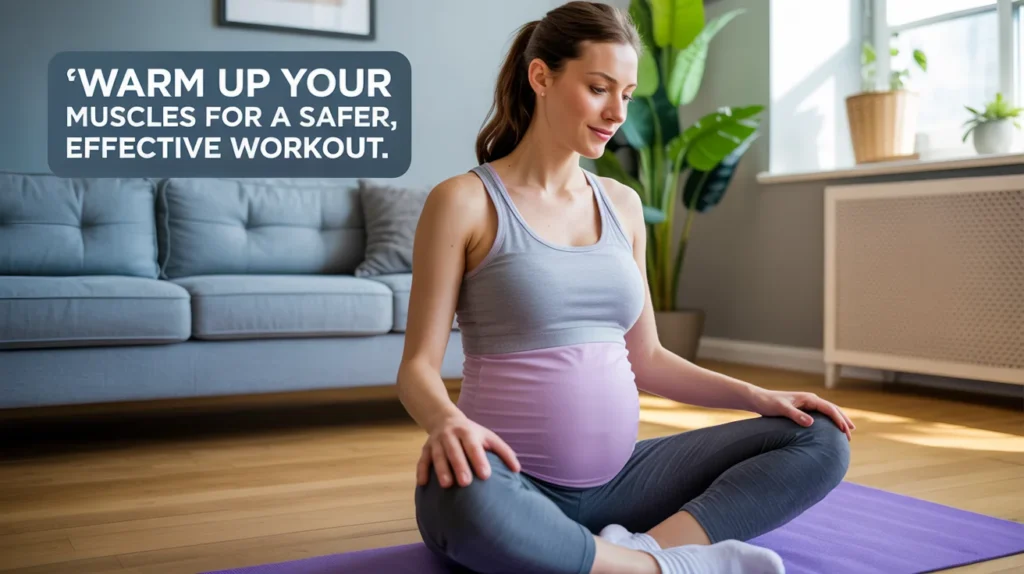
Warming up helps prep your heart, muscles, and joints for exercise. Take 5–10 minutes at the start of each routine to stretch gently, paying special attention to areas of tension in your back, hips, and legs.
Points to remember:
- Stretch slowly; avoid bouncing.
- Don’t push to the point of pain.
- Avoid lying flat on your back after the first trimester.
Including a cool-down and more stretching after your workout helps prevent stiffness and aids circulation.
Hydration and Nutrition for Active Pregnant Moms
Staying hydrated is always important, but especially during pregnancy. Dehydration can cause overheating or contractions. Drink water before, during, and after exercise. Keep snacks on hand to avoid low blood sugar—fruits, granola bars, or yogurt work well. While the dangers of Listeria mainly relate to food, sticking to safe, pasteurized snacks is a smart health habit.
Tips for busy moms:
- Carry a reusable water bottle.
- Schedule snack breaks before or after workouts.
- Choose portable, healthy snacks.

When to Adjust or Pause Your Workouts
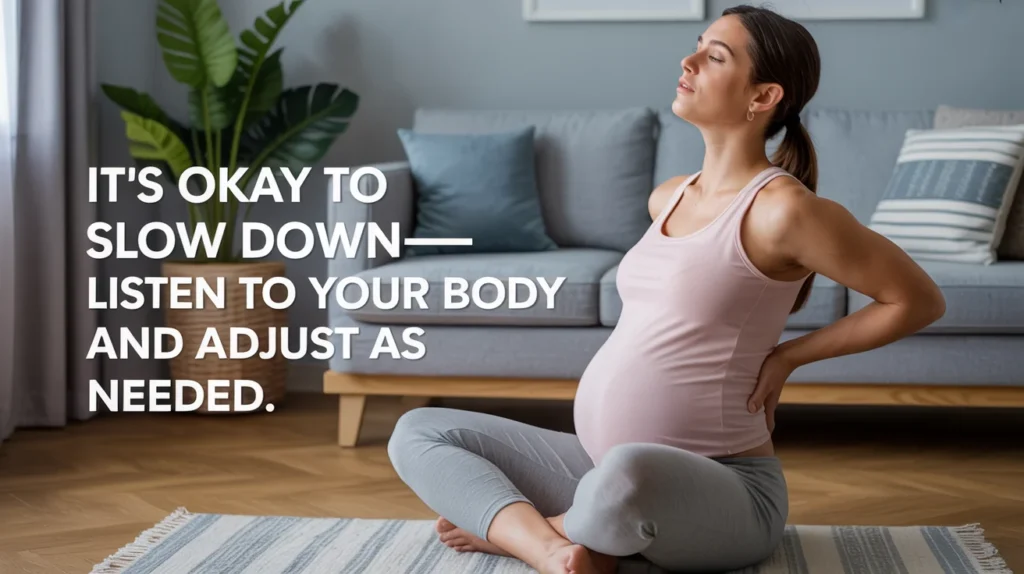
Your energy and mobility will change from trimester to trimester. It’s normal to slow down or adjust exercises as needed. Always listen to your body and rest as needed. Some women may need to pause workouts altogether if medically advised.
Examples of when to modify or stop during Listeria Dangers:
- Experiencing any warning symptoms (see earlier section)
- Being told by a provider to restrict activity (due to placenta previa, preterm labor, etc.)
- Feeling discomfort or pain during certain movements
Always discuss any new symptoms or concerns with your healthcare provider.
Exercise Do’s and Don’ts for Pregnant Moms
Do:
- Wear comfortable, supportive shoes.
- Dress in layers to avoid overheating.
- Pick flat, stable surfaces.
- Use slow, controlled movements.
Don’t:
- Engage in any sport with risk of falling or impact (e.g., skiing, horseback riding).
- Hold your breath during exercise.
- Do twisting motions or deep backbends.
- Lie flat on your back after the first trimester.

Incorporating Exercise with a Busy Schedule
If you have a packed calendar, keep routines flexible. You don’t need long sessions for Listeria Dangers; try these ideas:
- Use short exercise videos at home.
- Go for a brisk walk during lunch breaks.
- Take the stairs instead of the elevator.
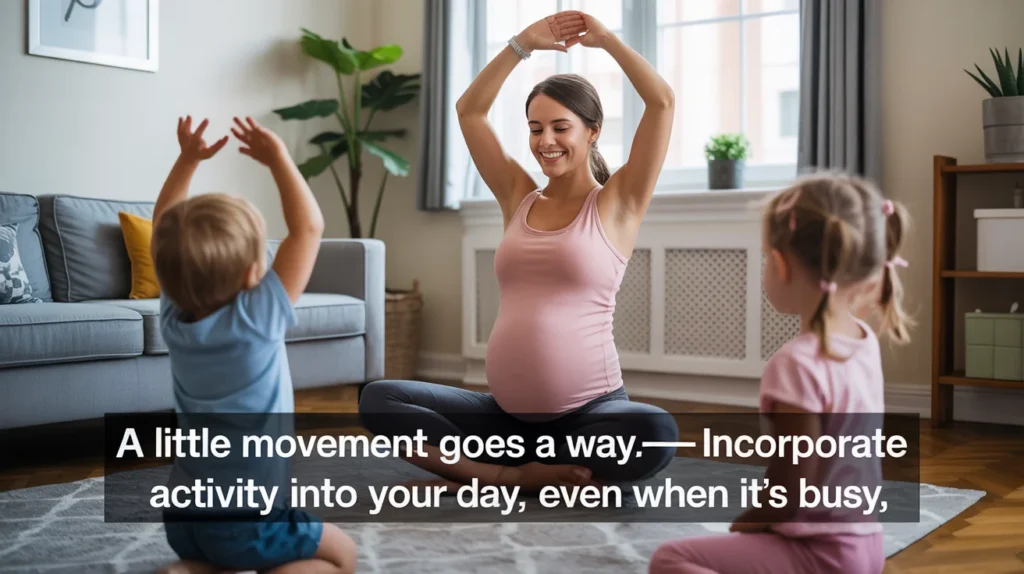
- Stretch or do light strength moves while watching TV or helping kids with homework.
Small bursts of activity throughout the day can be just as effective as longer sessions.
Addressing The Listeria Dangers in Fitness Environments
Most people think of the dangers of Listeria as a food issue, but rare cases have traced the bacteria to contaminated surfaces or water in gym locker rooms and pools. Pregnant women are more likely to experience complications from infections, so taking hygiene seriously protects both baby and mom.
Practical advice:
- Don’t use jacuzzis, hot tubs, or steam rooms—these aren’t recommended in Listeria Dangers due to infection and overheating risks.
- If you use a public pool, shower before and after; avoid areas not well maintained.
- Always clean and dry your exercise gear thoroughly.
For more on cleaning and safety, see CDC recommendations.
Simple Sample Prenatal Workout Plan
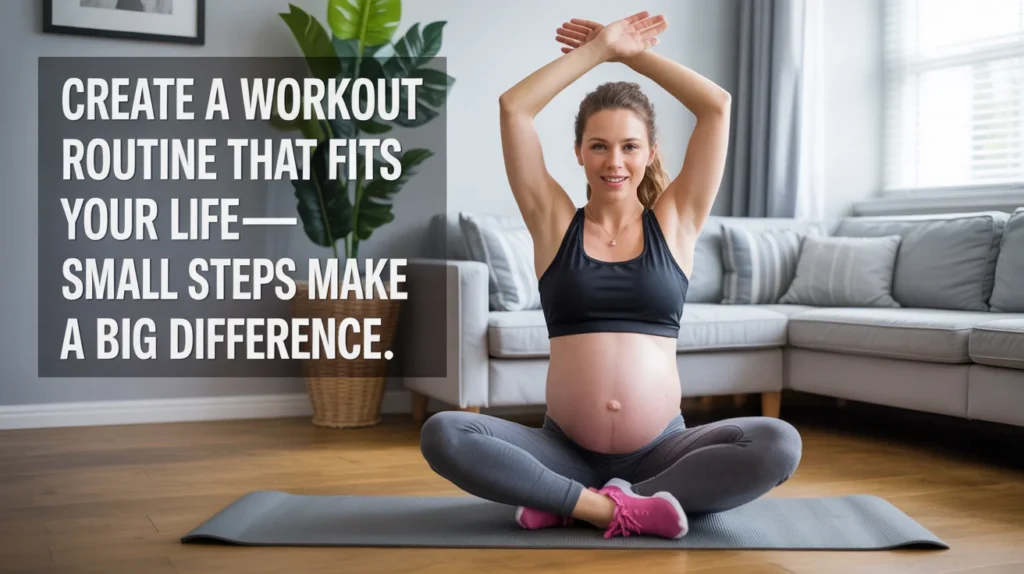
Here’s an example of an approachable, balanced workout week for busy Listeria Dangerst moms:
Monday: 15-minute walk + stretching
Tuesday: 20-minute prenatal yoga
Wednesday: Core strengthening (on hands/knees) with light weights (10–15 min)
Thursday: Rest or gentle stretching
Friday: 15–20 minutes of swimming
Saturday/Sunday: Family stroll or home dance session
Remember, always adapt the intensity and duration as you feel comfortable.
Safe Exercise Tips For Listeria Dangersby Trimester
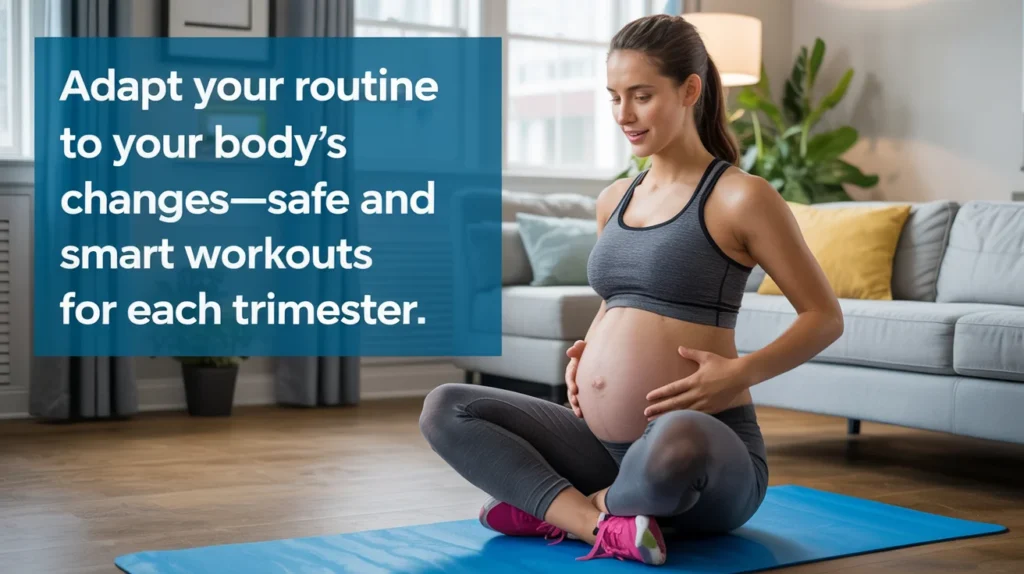
First Trimester:
- Stick to activities you enjoyed before pregnancy, but avoid overheating.
- Focus on form over intensity.
Second Trimester:
- Switch to lower-impact moves if needed.
- Support your back and avoid exercises lying flat on your back.
Third Trimester:
- Prioritize flexibility, balance, and gentle movement.
- Shorten sessions if you tire easily.
Staying flexible and tuning into your body’s needs is key. Your provider can offer personalized advice for each stage.
Frequently Asked Questions (FAQ)
Q1: Can I keep running while pregnant?
If you were running before pregnancy and have no complications, you may continue with your provider’s approval. Slow down or switch to walking as your body changes.
Q2: How soon after giving birth can I resume exercise?
This varies—some women can start gentle activity within a few days, but always check with your provider. Wait for the green light after a postpartum checkup.
Q3: Is strength training safe?
Yes, with light weights and proper technique. Avoid movements that strain your core or back excessively. Listen to your body and move slowly.
Q4: What should I do if I can’t fit in a full workout session?
Even 5- to 10-minute increments are beneficial. Spread small activities throughout your day and celebrate every effort!