

Introduction To Plantar Fasciitis Stretches
That sharp, stabbing pain in your heel with your first steps out of bed—does it sound familiar? For many busy moms, this is the unwelcome morning greeting from plantar fasciitis. Juggling school runs, work deadlines, and household chores leaves little time for self-care, and persistent foot pain can make every step a challenge.
It can feel like you have to choose between staying active with your kids and avoiding agonizing heel pain. But you don’t have to live with it.

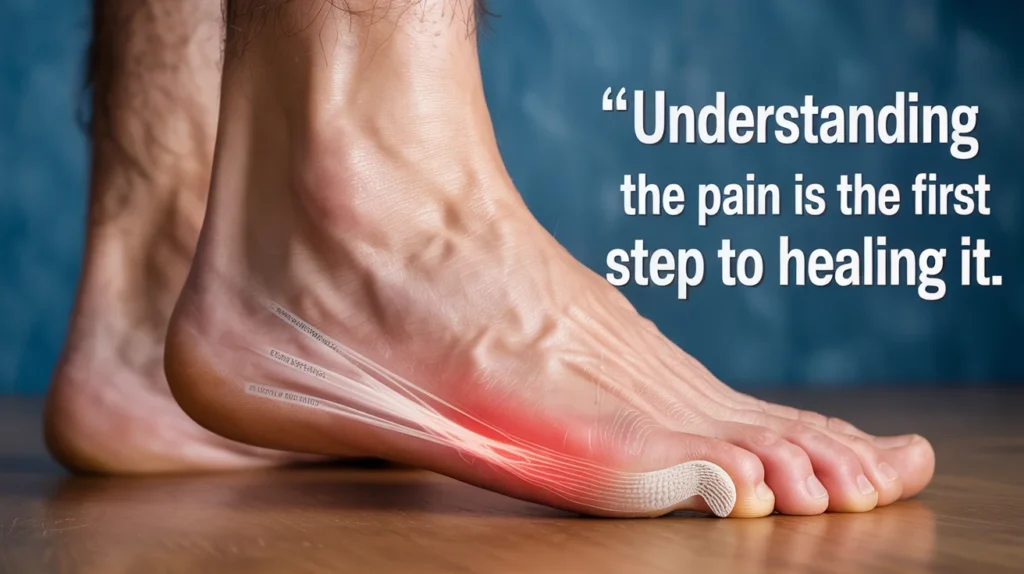
Plantar fasciitis is one of the most common causes of heel pain. It happens when the plantar fascia, a thick band of tissue that runs across the bottom of your foot connecting your heel bone to your toes, becomes inflamed. The good news is that simple, targeted exercises can make a world of difference. T
his guide is designed specifically for you—the mom who does it all. We’ll walk you through seven effective Plantar Fasciitis Stretches that you can easily fit into your packed schedule to find relief, soothe your heel pain, and get back to your active life.
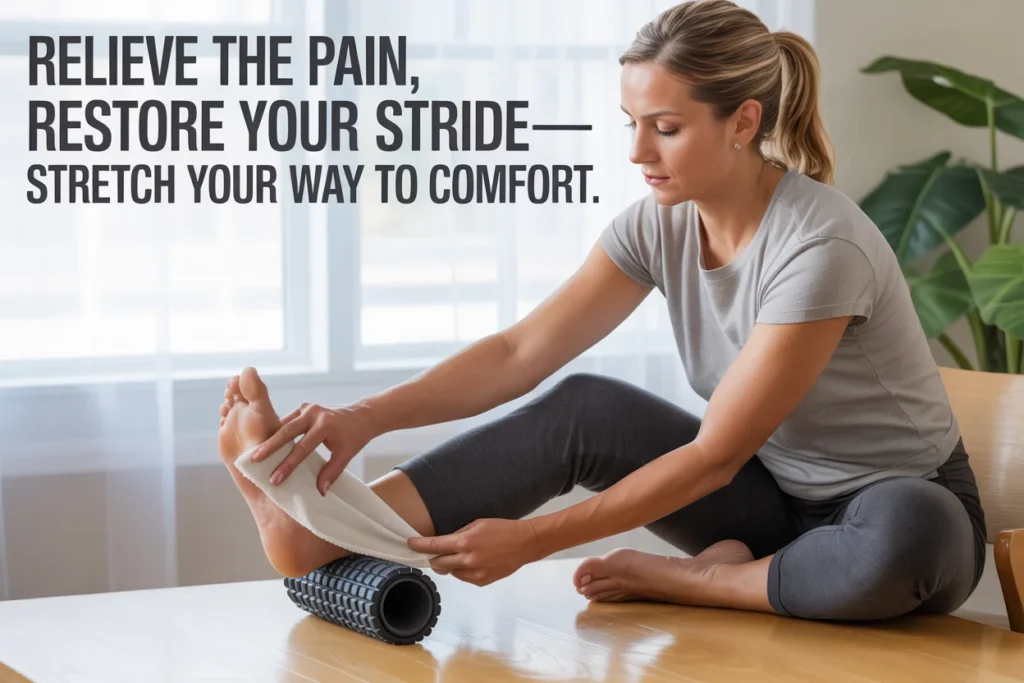
Key Takeaways
- Understanding the Pain: Plantar fasciitis is the inflammation of the tissue band on the bottom of your foot, often causing sharp heel pain, especially in the morning.
- Simple Stretches, Big Relief: Consistent stretching of the plantar fascia, calves, and Achilles tendon is crucial for reducing pain and improving flexibility.
- Consistency is Key: Performing these stretches daily, particularly before getting out of bed and after long periods of sitting or standing, provides the best results.
- Beyond Stretching: Supporting your feet with proper footwear, considering orthotics, and managing your activity levels are also important parts of a comprehensive recovery plan.
What Exactly Is Plantar Fasciitis?
Before we jump into the solutions, let’s get a clear picture of the problem. Your Plantar Fasciitis Stretches acts like a shock-absorbing bowstring, supporting the arch in your foot. When too much tension and stress are placed on this bowstring, small tears can occur in the fascia. The body’s natural response is inflammation, which results in the heel pain and stiffness characteristic of plantar fasciitis.
For moms, the causes can be numerous. You might be on your feet all day, chasing toddlers, carrying groceries, or trying to squeeze in a run. Other factors like wearing unsupportive shoes (hello, old flip-flops!), a sudden increase in activity, or having flat feet or high arches can also contribute to this condition. The pain is often most intense with the first few steps after waking up or after long periods of rest.
Why Stretching is Your Best Friend
Think of your plantar fascia and calf muscles as a connected system. When your calf muscles are tight, they pull on your Achilles tendon, which is attached to your heel bone. This tension then transfers to the plantar fascia, increasing stress and irritation. Regular stretching helps to lengthen these tissues, making them more flexible and resilient.
By dedicating just a few minutes each day to targeted Plantar Fasciitis Stretches, you can alleviate the strain on your foot’s arch. This not only helps reduce current pain but also strengthens the entire structure of your lower leg and foot, making you less prone to future flare-ups. It’s a small time investment that pays huge dividends in comfort and mobility.

The 7 Essential Plantar Fasciitis Stretches for Moms
Here are seven simple yet powerful stretches you can do almost anywhere, with minimal to no equipment required. Remember to listen to your body—a stretch should feel like a gentle pull, not a sharp pain.
1. The Seated Plantar Fascia Stretch
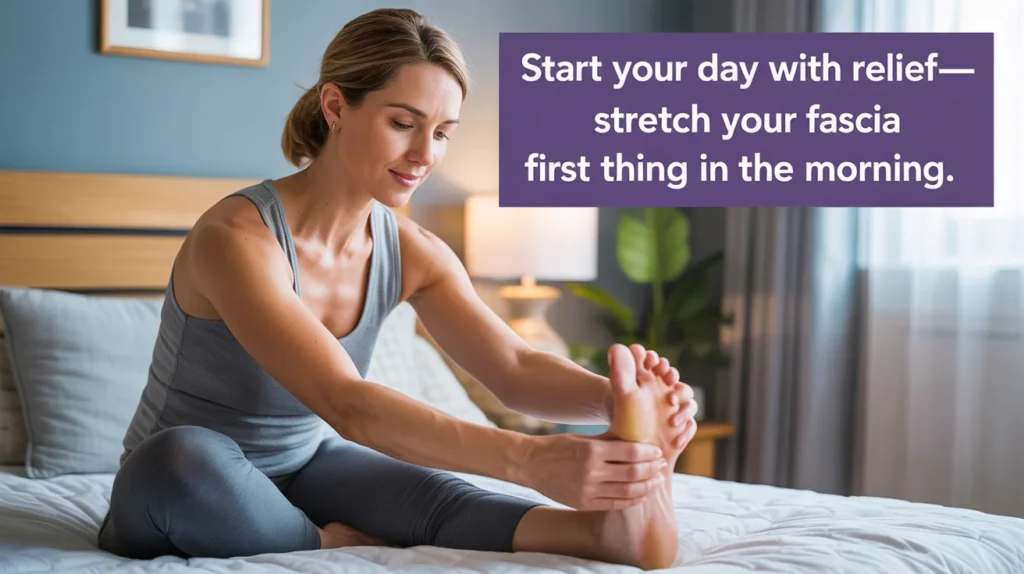
This is one of the most direct and effective stretches you can do. It’s perfect for doing right after you wake up, even before you get out of bed.
How to do it:
- Sit on a chair or the edge of your bed with one foot crossed over the opposite knee.
- Gently grab the toes of your affected foot and pull them back toward your shin until you feel a stretch in the arch of your foot.
- Hold this position for 20-30 seconds.
- To ensure you are stretching the fascia correctly, you can use your other hand to massage the tense band on the bottom of your foot.
- Repeat this 3-4 times on the affected foot. You can perform this several times throughout the day.
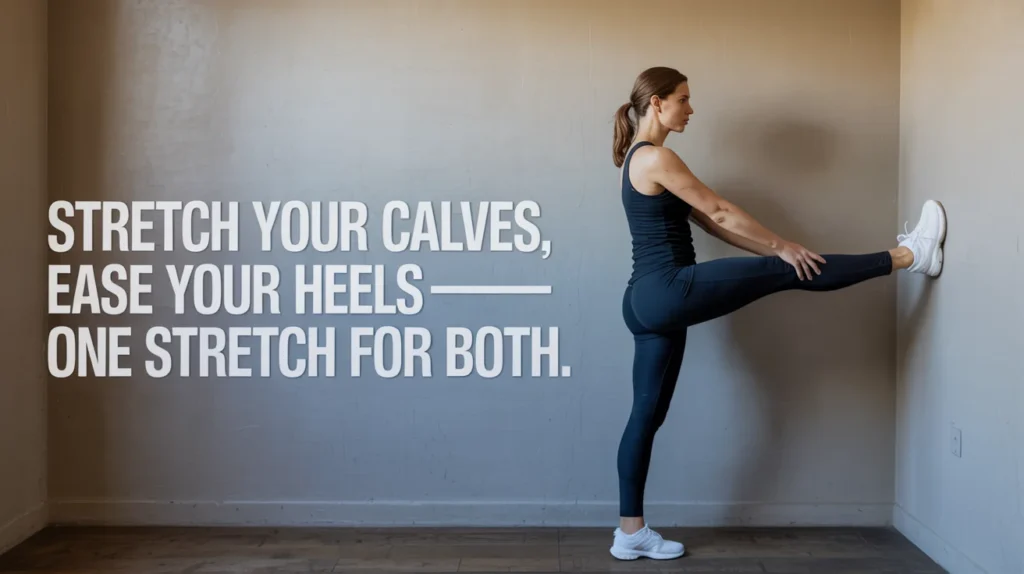
2. The Classic Calf Stretch (Gastronemius Stretch)
Tight calf muscles are a major contributor to plantar fasciitis. This classic wall stretch targets the large muscle in the back of your lower leg.
How to do it:
- Stand facing a wall with your hands placed on it for support.
- Step back with the leg you want to stretch, keeping it straight with your heel flat on the floor.
- Your other leg should be bent in front of you.
- Lean into the wall until you feel a stretch in the calf of your back leg.
- Hold for 30 seconds.
- Repeat 3 times on each leg. For best results, do this stretch a couple of times per day.
3. The Bent-Knee Calf Stretch (Soleus Stretch)
Your calf is made of two main muscles. This stretch targets the smaller, deeper soleus muscle, which also plays a role in heel tension.
How to do it:
- Stand facing a wall in the same position as the classic calf stretch.
- This time, slightly bend the knee of your back leg while keeping your heel on the floor.
- You should feel this stretch lower down in your calf, closer to the Achilles tendon.
- Hold for 30 seconds.
- Switch legs and repeat, aiming for 3 repetitions on each side. Combining this with the classic calf stretch provides a complete routine for your calves.

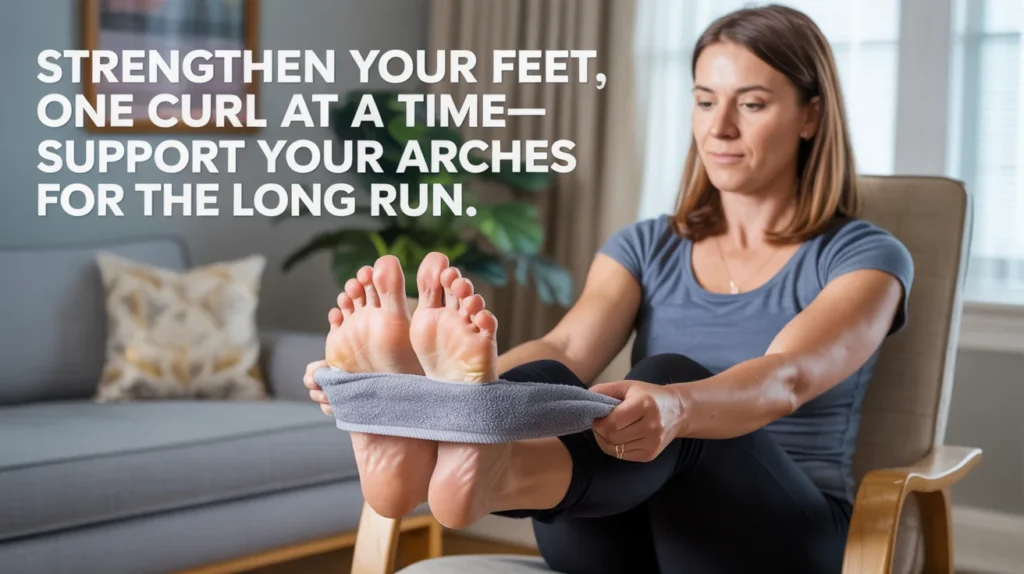
4. The Towel Curl
This exercise helps strengthen the small muscles in your foot, which provides better support for your arch and the plantar fascia.
How to do it:
- Sit in a chair with your feet flat on the floor. Place a small hand towel on the floor in front of you.
- Using only the toes of your affected foot, scrunch the towel and pull it toward you.
- Once you’ve pulled the entire towel toward you, use your toes to push it back out.
- Repeat this sequence 5-10 times. It may feel challenging at first, but it is an excellent strengthening exercise.
5. The Rolling Arch Stretch
Using a frozen water bottle or a foam roller can provide a gentle stretch and a soothing massage at the same time. The cold helps reduce inflammation.
How to do it:
- Sit in a chair and place a frozen water bottle, tennis ball, or small foam roller under the arch of your affected foot.
- Gently roll your foot back and forth over the object, from your heel to the ball of your foot.
- Apply light pressure, focusing on any tender spots.
- Do this for 3-5 minutes. It’s a fantastic stretch to do at the end of a long day. This can be one of the most soothing Plantar Fasciitis Stretches.

6. The Achilles Tendon Stretch on a Step
This stretch uses gravity to give you a deep stretch in both your Achilles tendon and your calf muscles, directly benefiting the plantar fascia.
How to do it:
- Stand on the edge of a step or stair with the balls of your feet firmly on the surface and your heels hanging off the back.
- Hold onto a railing or wall for balance.
- Slowly and gently lower your heels below the level of the step until you feel a deep stretch.
- Hold this position for 20-30 seconds, then lift your heels back up to the starting position.
- Repeat this 4-5 times. Be careful not to bounce or drop your heels too quickly.

7. The Cross-Leg Ankle Circles
Improving ankle mobility can also help reduce the strain on your feet. This simple movement is easy to do while sitting at a desk or watching TV.
How to do it:
- Sit comfortably in a chair.
- Cross your affected leg over your other knee.
- Slowly rotate your ankle, making large circles with your toes.
- Perform 10 circles in a clockwise direction, then 10 circles in a counter-clockwise direction.
- This helps lubricate the ankle joint and gently stretches the surrounding tissues. This is a subtle yet beneficial addition to your routine of Plantar Fasciitis Stretches.

Active Recovery vs. Passive Treatments
When managing heel pain, it’s helpful to understand the difference between active and passive approaches.
| Treatment Type | Description | Examples | Best For |
|---|---|---|---|
| Active Recovery | Involves your own effort to treat the condition. Focuses on building strength and flexibility to address the root cause. | Stretching, strengthening exercises (like towel curls), modifying activities. | Long-term prevention and healing. It empowers you to take control of your recovery. |
| Passive Treatment | Treatments done to you without your active participation. They primarily manage symptoms. | Icing, massage, orthotic inserts, night splints, anti-inflammatory medication. | Immediate pain relief and symptom management, especially during acute flare-ups. |
A combination of both active and passive treatments often yields the best results. For example, you can use icing (passive) to reduce pain after a long day, but you should also perform your daily Plantar Fasciitis Stretches (active) to correct the underlying tightness.

Beyond Stretches: Additional Tips for Happy Feet
While stretching is a cornerstone of treatment, a few other lifestyle adjustments can accelerate your recovery and prevent recurrence.
Choose the Right Footwear
Ditch the flimsy, flat shoes. Look for footwear that offers excellent arch support and a cushioned heel. Running shoes are often a great choice for daily wear, even if you aren’t running. Avoid walking barefoot on hard surfaces, especially first thing in the morning when your fascia is tight. For more information on supportive shoes, the American Academy of Orthopaedic Surgeons provides helpful guidelines.
Consider Orthotics or Inserts
Over-the-counter shoe inserts can provide extra arch support and cushioning. They work by distributing pressure more evenly across your feet, reducing the strain on your plantar fascia. For persistent cases, a podiatrist might recommend custom-molded orthotics that are tailored specifically to the structure of your feet. These simple additions can make a significant impact on your daily comfort.
Maintain a Healthy Weight
Extra pounds put extra stress on your plantar fascia. Maintaining a healthy weight can significantly reduce the load on your feet, which is a key factor in both treating and preventing plantar fasciitis. Even a small amount of weight loss can lead to a noticeable reduction in foot pain and overall strain.
Modify Your Activities
If you’re in the middle of a painful flare-up, it might be necessary to temporarily scale back on high-impact activities like running or jumping. Instead, opt for low-impact exercises like swimming, cycling, or using an elliptical machine. This allows you to stay active without aggravating your heel pain. A gradual return to your favorite activities is important once the pain subsides.

Consistency Is Your Superpower
As a busy mom, finding time for anything extra can feel impossible. However, the beauty of these Plantar Fasciitis Stretches is that they can be integrated into your existing routine. Do the seated stretch before your feet even hit the floor in the morning. Perform the calf stretches while you wait for the coffee to brew. Roll your foot on a frozen bottle while you help with homework.
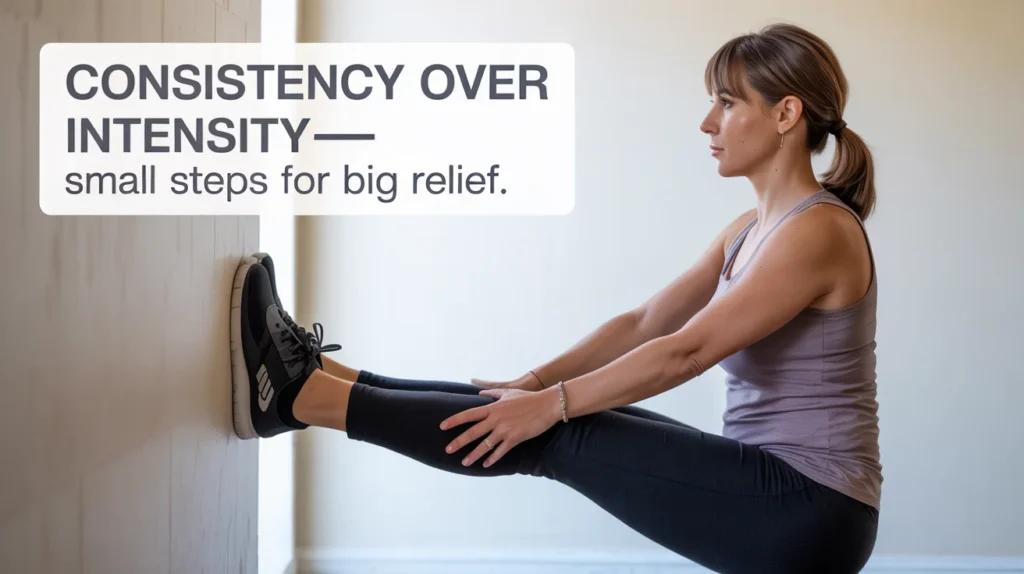
The key is consistency. A few minutes every day will be far more effective than one long session per week. Think of it as a small, daily investment in your own well-being, allowing you to keep up with the demands of motherhood without being held back by pain. Remember, taking care of yourself enables you to better care for everyone else.

Conclusion
Plantar fasciitis can be a frustrating and painful condition, but it doesn’t have to sideline you. By incorporating these seven simple Plantar Fasciitis Stretches into your daily routine, you can actively combat heel pain, improve your flexibility, and strengthen your feet.
Remember to pair these exercises with supportive footwear and smart activity choices to create a comprehensive plan for recovery. You deserve to move through your day with comfort and confidence. Start these stretches today and take your first step—pain-free—towards getting back to the active, vibrant life you love with your family.

Frequently Asked Questions (FAQ)
Q1: How long does it take for plantar fasciitis stretches to work?
A: While some people feel relief within a week or two, it can often take several weeks to a few months of consistent stretching to see significant, long-lasting improvement. Consistency is more important than intensity.
Q2: Should I stretch if my foot is in a lot of pain?
A: You should stretch gently. A stretch should create a pulling sensation, but it should not cause sharp or increasing pain. If stretching is too painful, focus on icing and rest, and try again when the acute inflammation has subsided. The rolling stretch with a frozen water bottle can be particularly helpful in this case.
Q3: Can I still exercise with plantar fasciitis?
A: Yes, but you may need to modify your routine. Choose low-impact activities like swimming, cycling, or yoga. Avoid high-impact exercises like running and jumping until your pain has significantly decreased. Always warm up properly and stretch after your workout.
Q4: When should I see a doctor for my heel pain?
A: If your pain is severe, doesn’t improve after several weeks of home treatment, or if you suspect an injury, it’s time to see a doctor or a podiatrist. They can confirm the diagnosis and recommend further treatments, such as physical therapy, night splints, or corticosteroid injections, as discussed by experts at the Mayo Clinic.
Q5: Are these the only effective Plantar Fasciitis Stretches available?
A: These seven are among the most effective and easy-to-perform stretches, making them a great starting point. A physical therapist can provide a more personalized routine with additional exercises and strengthening movements tailored to your specific needs and biomechanics.