The Struggle with Weight Loss as a Busy Mom
You’ve tried the diets, bought the workout programs, and filled your fridge with healthy food. You start each week with renewed determination, only to find yourself derailed by a sleepless night, a toddler’s tantrum, or the sheer exhaustion that comes with motherhood. It’s a frustrating cycle that leaves you feeling defeated and wondering why Weight Loss Struggles feels so much harder now. For many mothers, the common advice to simply “eat less and move more” feels like an oversimplification that ignores the realities of your daily life.
The truth is, weight loss struggles for moms often have deeper roots than just a busy schedule. Lack of time and energy are certainly factors, but they are often symptoms of larger, underlying issues.
The Truth About Weight Loss Struggles for Moms
To create lasting change, you have to look beyond the surface and get to the root of what’s truly holding you back. Understanding your personal challenges is the first, most powerful step toward overcoming Weight Loss Struggles and building a healthier relationship with your body.
This guide will help you dig deeper than the typical diet advice. We’ll explore how to identify your specific obstacles, evaluate your environment, and address the mental and emotional factors that play a huge role in your health journey. It’s time to stop blaming yourself and start understanding the real reasons you struggle.

Identify Your Personal Barriers
Before you can solve a problem, you need to understand it completely. For busy moms, Weight Loss Struggles hurdles are rarely straightforward. They are a complex web of hormonal shifts, emotional triggers, and logistical nightmares. Taking the time for honest self-reflection can illuminate the specific patterns that are keeping you stuck. This isn’t about judgment; it’s about gathering information so you can create a strategy that works for your life.

Common Barriers for Moms
While every mother’s journey is unique, many face similar challenges. See if any of these resonate with you:
- Emotional Eating: Do you reach for snacks when you feel stressed, lonely, bored, or overwhelmed? Motherhood is an emotional rollercoaster, and food can become a quick and easy coping mechanism. It provides a moment of comfort in a day that often feels chaotic and demanding.
- Hormonal Changes: From postpartum recovery to breastfeeding and the natural fluctuations of your cycle, hormones have a profound impact on your metabolism, appetite, and where your body stores fat. What worked for you before having children might not work now because your internal chemistry has changed.
- Lack of Sleep: Chronic sleep deprivation is a hallmark of early motherhood. A lack of quality sleep increases cortisol (the stress hormone) and ghrelin (the hunger hormone) while decreasing leptin (the fullness hormone). This hormonal cocktail makes you hungrier, more likely to crave unhealthy foods, and more prone to storing fat.
- Unrealistic Expectations: The pressure to “bounce back” after pregnancy is immense. Comparing your postpartum body to celebrities or other moms on social media can set you up for disappointment. When your progress doesn’t match these unrealistic standards, it’s easy to feel discouraged and give up entirely.

How to Uncover Your Triggers
To understand your personal barriers, try journaling for a week. Don’t change your habits; just observe them. Use a simple notebook or a notes app on your phone to track not only what you eat, but how you feel.
- Before you eat, ask yourself: “Am I physically hungry, or am I feeling something else?” Note the emotion (e.g., stressed, tired, bored).
- When you skip a planned workout, ask: “What got in the way?” Was it a genuine lack of time, or was it a lack of motivation, energy, or confidence?
- At the end of the day, reflect: “What was the hardest part of my day in terms of my health goals?”
After a week, you’ll have valuable data about your habits. You might discover that your afternoon cookie habit is really a response to feeling overwhelmed, or that you consistently skip workouts on days you’ve had a poor night’s sleep.

Evaluate Your Habits and Environment
Your surroundings and daily routines have a powerful, often subconscious, influence on your choices. If your kitchen counter is covered in your kids’ snacks or your schedule leaves no room for meal prep, you are constantly fighting an uphill battle. Optimizing your environment doesn’t mean you need perfect self-control; it means making the healthy choice the easy choice.

Small Changes, Big Impact
Start by evaluating the key areas of your life and identifying small tweaks you can make.
- Your Kitchen: Is your pantry stocked with convenient but unhealthy snacks? Try rearranging it. Place healthy, grab-and-go options like fruit, nuts, and protein bars at eye level. Move tempting treats to a higher shelf or a less accessible location. When you do your grocery shopping, stick to a list and avoid the snack aisles.
- Your Daily Routine: Look at your schedule, which you’ve likely mapped out during your time audit. Where can you insert “habit triggers”? For example, lay out your workout clothes the night before as a trigger to exercise in the morning. Or, make it a rule to drink a full glass of water while your coffee brews. These small, linked habits build momentum.
- Your Meal Habits: Many moms find themselves snacking on their children’s leftovers or skipping meals entirely, only to become ravenous later. Make a conscious effort to sit down and eat a proper meal, even if it’s just for ten minutes. This helps your brain register that you’ve eaten, leading to better satiety.
By making your environment work for you, not against you, you reduce the number of decisions you have to make each day and conserve your precious willpower for when you truly need it.

Address Emotional and Mental Health
For many women, weight loss struggles are deeply intertwined with mental and emotional well-being. Stress, anxiety, low self-esteem, and even postpartum depression can sabotage the best-laid plans. Using food to cope or lacking the mental energy to exercise are not signs of weakness; they are signs that your emotional needs aren’t being met. Addressing these underlying factors is essential for long-term success.

Strategies for Mental Well-Being
- Practice Mindfulness: Mindfulness is the practice of paying attention to the present moment without judgment. It can be a powerful tool for combating emotional eating. Before you eat, take a few deep breaths. Notice the colors, smells, and textures of your food. Eat slowly and savor each bite. This practice can help you recognize your body’s true hunger and fullness cues.
- Find Healthy Coping Mechanisms: Make a list of non-food-related activities you can do when you feel stressed or overwhelmed. This could be listening to a favorite playlist, calling a friend, stepping outside for five minutes of fresh air, or practicing a short meditation.
- Seek Professional Support: There is no shame in asking for help. If you suspect you are dealing with postpartum depression, anxiety, or a disordered relationship with food, speaking with a therapist can provide you with tools and support. A professional can help you develop healthier coping strategies and address the root causes of your emotional struggles.
Your mental health is just as important as your physical health. When you nurture your mind, you build the resilience needed to navigate the challenges of your Weight Loss Struggles.

Set Realistic Goals and Expectations
One of the biggest reasons moms give up on their Weight Loss Struggles goals is that they set the bar too high, too soon. Aiming to lose 20 pounds in a month or work out for an hour every day is often unrealistic for a new mother. When you inevitably fall short of these goals, it’s easy to feel like a failure and abandon your efforts completely. The key is to shift your focus from perfection to progress.

How to Set Achievable Goals
- Start Small: Instead of a complete overhaul, choose one or two small habits to focus on each week. For example, your goal for this week could be to drink a glass of water before each meal or to take a 10-minute walk every day. Once that habit feels established, you can add another.
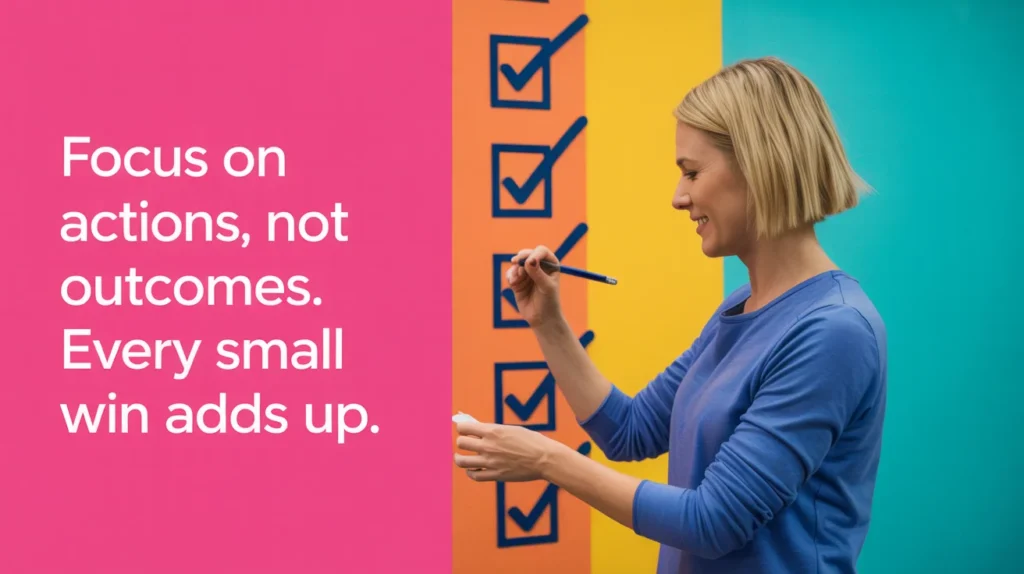
- Focus on Behaviors, Not Outcomes: You can’t directly control the number on the scale, but you can control your actions. Set behavior-based goals like “I will pack a healthy lunch three times this week” or “I will do a 15-minute home workout twice this week.” These small wins build confidence and momentum.
- Celebrate Non-Scale Victories: Your progress is more than just a number. Pay attention to other signs of success, such as having more energy, your clothes fitting better, feeling stronger, or being in a better mood. Acknowledge and celebrate these victories.
Conclusion: Understanding Is the First Step
Your Weight Loss Struggles as a busy mom are real and valid. They are not a reflection of your worth or a sign of failure. By taking the time to understand the root causes—your personal barriers, your environment, and your emotional health—you can finally move beyond the cycle of frustration and create a path forward that is both sustainable and compassionate.

This journey is about progress, not perfection. It’s about honoring your body for the incredible things it has done and nourishing it for the journey ahead. You are more than a number on a scale, and you deserve to feel strong, healthy, and confident.
Ready to dig deeper? Save this article to your Pinterest board for future reference. Start a journal today and begin the powerful process of self-reflection. Understanding why you struggle is the first step toward finding what truly works for you.