
Introduction: The Frustration of the Postpartum “Pooch”
For many moms, pregnancy ends, but the “Mommy Pooch” seems to linger, a constant reminder of the incredible work your body has done. The so-called “mommy pooch” can be frustrating, especially when traditional ab exercises seem to do more harm than good. This isn’t about quick fixes or unrealistic expectations. It’s about a smarter, more targeted approach that focuses on healing from the inside out. We’ll explore modern exercises that are safe and effective for rebuilding a strong core, addressing issues like diastasis recti, and helping you feel confident and comfortable in your body again—all in quick, manageable sessions designed for a busy mom’s schedule.

Diastasis Recti: The Core of the Problem
The postpartum Mommy Pooch often has a culprit you might not know about: diastasis recti. This is the separation of the abdominal muscles that occurs during pregnancy. If you can feel a gap between your abdominal muscles when you gently press your fingers just above your Mommy Pooch, you likely have some degree of separation. The traditional crunches and sit-ups many people think of for Mommy Pooch can actually worsen this condition. Our modern approach focuses on healing this separation and strengthening the deep core muscles safely.

The Deep Core Connection
Before you can strengthen your core, you must reconnect with your deep abdominal muscles, especially the transverse abdominis (TVA). This muscle acts like a corset, wrapping around your midsection. Learning to engage it properly is the foundation of all postpartum core work.
Deep Belly Breathing
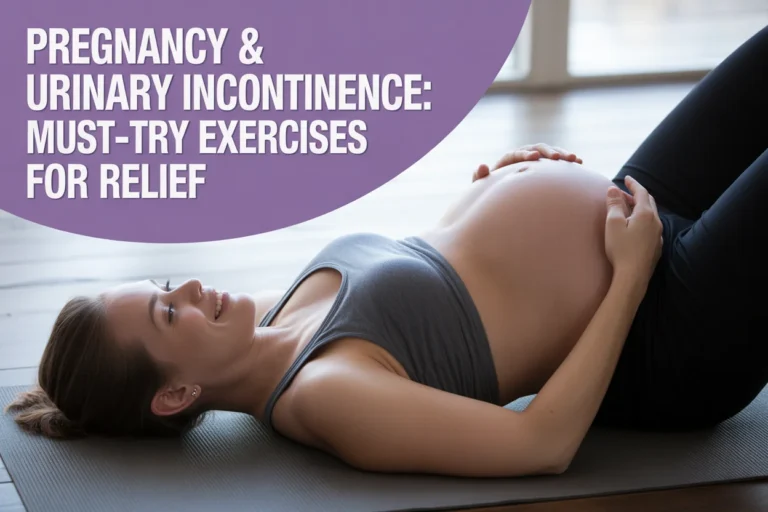
- How to do it: Lie on your back with knees bent, feet flat. Place one hand on your chest and the other on your belly. Inhale deeply through your nose, letting your belly rise. Exhale slowly through your mouth, gently drawing your belly button in towards your spine to engage your deep core muscles. Keep the movement gentle and controlled.
- Benefits: This foundational exercise reconnects your mind to your core, teaching proper engagement of the transverse abdominis without straining other muscles. It also promotes relaxation and stress management.
- How to Maximize it: Practice for 5-10 minutes daily, focusing on the deep connection. You can also practice while sitting or standing.

The Pelvic Tilt Progression
The pelvic tilt is a gentle exercise to strengthen your core and stabilize your pelvis, crucial for healing a separated core.
Exercise:Elevated Pelvic Tilt
- How to do it: Lie on your back with knees bent, feet flat. Place a firm pillow or yoga block between your knees. Exhale and gently tilt your hips up, pressing your lower back into the floor while squeezing the object between your knees. Inhale as you return to the neutral position.
- Benefits: Squeezing the object between your knees enhances engagement of your deep abdominal muscles and pelvic floor, improving functional core strength.
- How to Maximize it: Perform slowly and with control, focusing on the quality of movement. Start with 10 repetitions and work up to 15-20.

The Quadruped with Core Activation
Working on all fours uses gravity to help strengthen your core without excessive strain, building stability in your hips and shoulders while challenging core stability.
Exercise:Quadruped with Heel Slides
- How to do it: Start on all fours with wrists under shoulders and knees under hips, keeping your back flat. Exhale and engage your core, gently sliding one heel away to extend your leg. Inhale and return to the start. Alternate legs.
- Benefits: This targets the transverse abdominis and deep core stabilizers effectively, also strengthening glutes and hamstrings for pelvic and lower back support.
- How to Maximize it: Keep hips level and avoid swaying. For a challenge, lift your leg slightly without arching your back.

The Supported Side Plank
While a full plank might be too intense early postpartum, a modified side plank is excellent for targeting obliques and deep core muscles.
Exercise: Modified Side Plank with Knee Lift
- How to do it: Lie on your side with knees bent at a 90-degree angle. Prop yourself up on your forearm, elbow under shoulder. Inhale, then exhale, lifting your hips into a modified side plank. While holding, lift your top knee slightly. Hold for a few seconds before lowering.
- Benefits: Strengthens obliques and deep core stabilizers without direct pressure on separated abs, also improving balance and hip stability.
- How to Maximize it: Keep hips stacked and spine straight. Avoid hip sagging. Increase hold time as you get stronger, up to 30 seconds per side.

The Functional Glute Bridge
Strong glutes and hamstrings provide a stable core foundation. The glute bridge is a simple and effective exercise for this.
Exercise: Glute Bridge with Inner Thigh Squeeze
- How to do it: Lie on your back with knees bent, feet flat, hip-width apart. Place a small ball or pillow between your knees. Engage your core and squeeze the ball as you lift your hips. Hold for a few seconds, squeezing glutes, then slowly lower.
- Benefits: The inner thigh squeeze activates adductor muscles and inner thighs, connected to the pelvic floor, enhancing core activation for abdominal recovery.
- How to Maximize it: Keep your core engaged to prevent back arching. Movement should come from glutes and hamstrings. Perform 10-15 repetitions.

Consistency, Patience, and Realistic Expectations
Healing your postpartum belly is about smart, consistent work.
- Patience is Key: Allow time for your body to recover.
- Listen to Your Body: Stop if an exercise causes pain or bulging.
- Consistency Over Intensity: Short, frequent sessions are more effective.
- Focus on Posture: Good posture engages your core daily.
- Ask for Help: Consult a pelvic floor physical therapist for concerns about diastasis recti.

Conclusion: Embracing the Journey to a Stronger You
The postpartum belly pooch is common and manageable. A modern approach focusing on healing and rebuilding your core from the inside out can make a lasting difference. Celebrate your body and nurture it back to strength with care, consistency, and time.