
Introduction
Diastasis recti is a common postpartum condition where the abdominal muscles separate, often making it challenging to regain a flat tummy. Certain exercises can worsen this condition, putting unnecessary strain on the connective tissue. While many moms are familiar with the basics of abdominal recovery, it’s crucial to understand which modern exercises are not suitable if you have diastasis recti. In this article, we’ll go through 8 advanced exercises that should be avoided to protect your core and speed up recovery.

1. V-Sits / Full Sit-Ups (Advanced Version)
While traditional sit-ups are notorious for aggravating diastasis recti, the modern V-sit or full sit-up variation can put even more pressure on your abdominal separation. This advanced version involves folding the body into a “V” shape, which increases intra-abdominal pressure and strains the connective tissue in the midline.
Instead:
Try modified dead bugs or leg lifts with an activation belt to gently engage the core without excessive pressure. These exercises keep the core engaged while avoiding the risky flexion and compression of the traditional sit-up.

2. Superman Exercise
The Superman exercise requires you to lie on your stomach and extend your arms and legs, lifting them off the floor as if flying. While it’s great for the back and glutes, this movement over-extends the core, often putting too much pressure on the abdominal wall, worsening diastasis recti.
Instead:
Try modified prone planks or bird-dog exercises with controlled movements. These activate your core and back in a more stable, non-straining position.

3. Bicycle Crunches (Advanced)
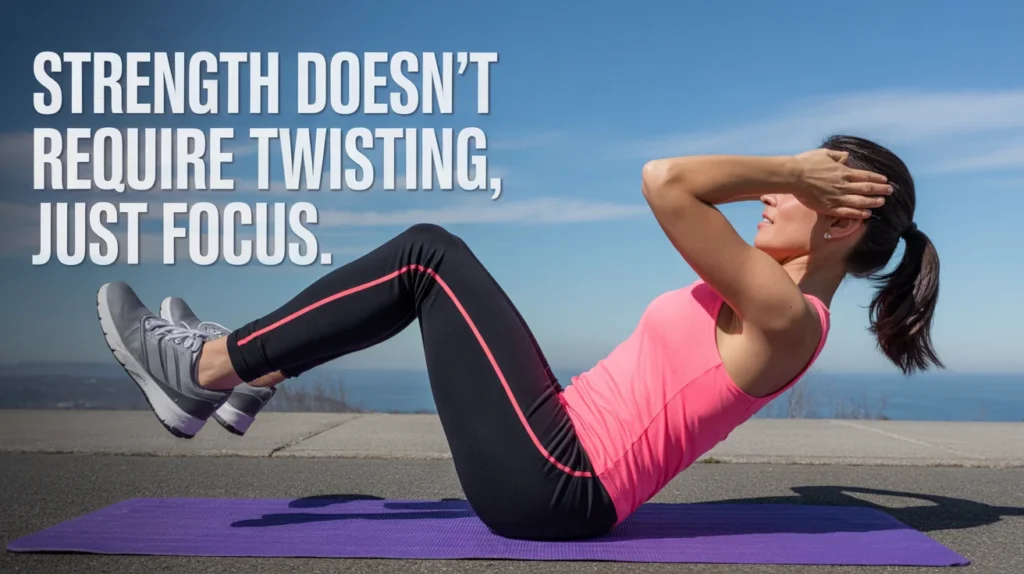
Bicycle crunches are a dynamic, twisting motion that engages the core deeply. However, for those with diastasis recti, the twisting motion can stress the abdominal muscles, further separating the tissues. The movement of rotating while bringing the knee to the elbow can force the connective tissue to stretch, worsening the condition.
Instead:
Focus on neutral spine exercises like cross-body reach or alternating leg lifts with proper support. These work the core without placing excessive strain on the connective tissue.
4. Overhead Press (Heavy Lifting)
The overhead press—whether using dumbbells or a barbell—can be particularly dangerous for diastasis recti because it forces the abdominal muscles to work hard against the pressure of lifting weight overhead. This exercise increases intra-abdominal pressure, which can stretch the already-separated muscles further.
Instead:
Opt for resistance band work or dumbbell chest presses that engage the core without adding excessive pressure. These exercises allow for controlled movement and provide safe muscle activation.

5. High Knees / Running in Place
Running in place or doing high knees can be intense, involving sudden movements and rapid compression of the abdominal region. The jumping and rapid movement can increase pressure on the abdominal muscles, potentially worsening the separation in diastasis recti.
Instead:
Try low-impact cardio like walking on a treadmill with an incline, cycling, or rowing. These exercises get your heart rate up without jarring the core or increasing abdominal pressure.
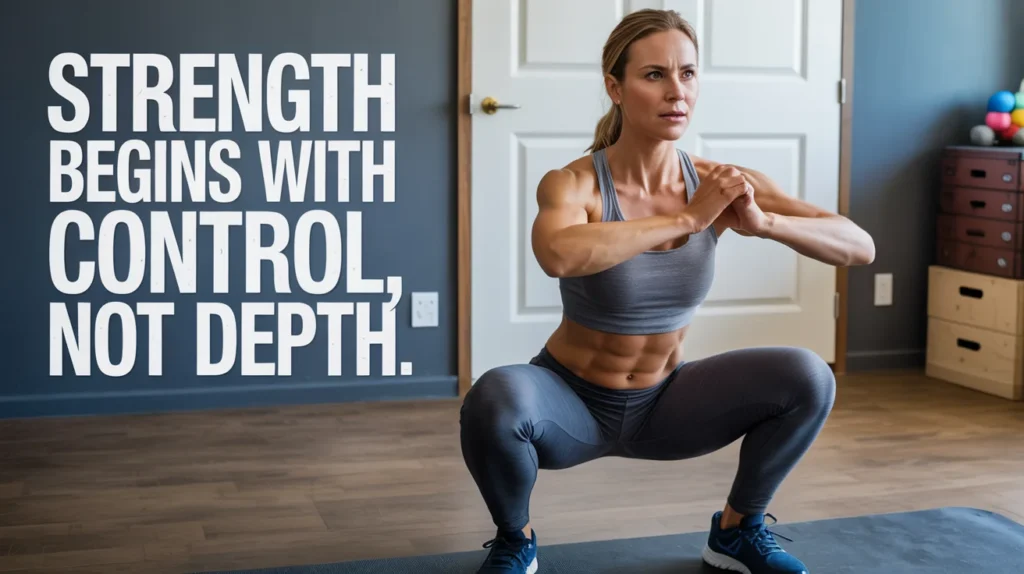
6. Full Squats (Deep)
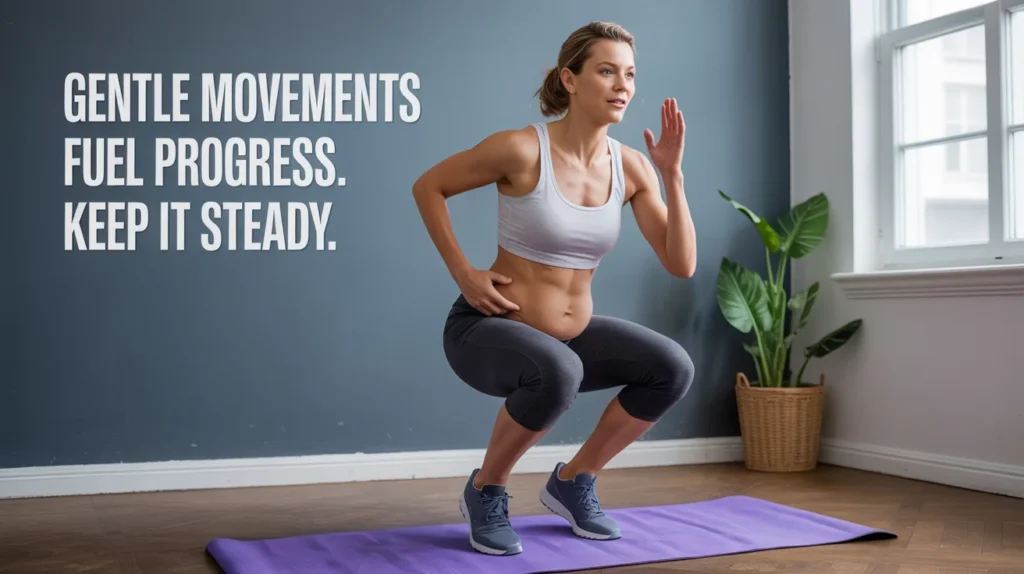
While squats are a staple for lower body strength, deep squats can place too much pressure on the abdomen, especially when the core isn’t fully engaged. The downward motion and the need to stabilize the body can increase pressure in the abdominal cavity, which can worsen the separation of the rectus abdominis muscles.
Instead:
Perform wall squats or box squats, which reduce the depth and focus more on engaging the glutes and legs. These variations allow for strength-building while being mindful of the core.
7. Jumping Jacks
Jumping jacks are an explosive exercise that can cause significant stress on the abdominal muscles, especially with diastasis recti. The rapid movement and landing can cause excessive intra-abdominal pressure, worsening the condition.
Instead:
Try step-touch side-to-side exercises or low-impact cardio routines that keep the intensity up without the jarring impact on the core.

8. Leg Circles
Leg circles involve rotating your legs in the air while lying on your back, a position that often places too much strain on the lower abdominal muscles. This motion can pull the muscles apart even further, making it an exercise to avoid with diastasis recti.
Instead:
Instead of leg circles, focus on supine marches or leg slides with a neutral spine, which help engage the lower core safely without excessive pressure.

What to Do Instead?
If you’re dealing with diastasis recti, focus on exercises that strengthen the core without adding strain. Here are a few modern exercises to incorporate:
- Deep Core Breathing: Focus on breathing techniques to engage your core.
- Transverse Abdominis Activation: Use gentle core engagement exercises like belly button-to-spine pulls.
- Modified Planks: Knee-supported planks are safer and still effective.
- Bridge Variations: Perform glute bridges to strengthen the lower body and core.
- Pilates-Inspired Moves: Pilates movements are designed to support core recovery gently.
- Resistance Band Exercises: Low-impact strength training for the core and glutes.
- Modified Yoga Poses: Yoga poses such as child’s pose, cat-cow, and modified downward dog can help realign and engage the core.

Conclusion
Dealing with diastasis recti doesn’t mean you have to give up on fitness altogether, but it’s crucial to avoid exercises that increase pressure on the abdominal wall and exacerbate the condition. By focusing on modern, low-impact exercises that engage the core safely, you can help your body recover faster and achieve long-lasting results.