
Introduction To Osteoporosis Exercises
Being a mom is a full-time job with endless responsibilities. Between school runs, work, and managing a household, your own health can easily take a backseat. However, paying attention to your bone health is crucial, especially as you age.
Osteoporosis, a condition that makes bones weak and brittle, affects millions of women. The good news is that you can take proactive steps to strengthen your bones and reduce your risk. A consistent routine of specific Osteoporosis Exercises can make a world of difference.
This guide is designed for busy moms like you. We’ll explore ten simple yet powerful exercises that can fit into your packed schedule. These aren’t just random workouts; they are targeted movements designed to build bone density and improve your overall strength and balance. Let’s dive in and discover how you can protect your bones for a healthier, more active future.
Key Takeaways
- Bone health is critical for women, and osteoporosis risk increases with age.
- Weight-bearing and muscle-strengthening exercises are essential for building and maintaining bone density.
- Even busy moms can incorporate effective Osteoporosis Exercises into their daily routines.
- Consistency is more important than intensity; start slow and gradually increase the difficulty.
- Exercises that improve balance are key to preventing falls, which can cause fractures in weak bones.

Why Bone Health Matters for Moms
As a mother, you carry the weight of the world on your shoulders—sometimes literally. Your body goes through significant changes during pregnancy and breastfeeding, which can impact your bone density. Calcium, a key mineral for bone strength, is used to build your baby’s skeleton, and if your dietary intake isn’t sufficient, your body may draw it from your own bones.
Furthermore, estrogen levels, which play a protective role in bone health, decline during menopause. This drop accelerates bone loss, making women more susceptible to osteoporosis. Proactively engaging in bone-strengthening activities is one of the most effective strategies to counteract these natural processes.

By building a strong “bone bank” earlier in life, you create a reserve that helps you stay strong and resilient for years to come. It’s about more than just avoiding fractures; it’s about maintaining your independence, energy, and ability to keep up with your kids (and eventually, grandkids).
Understanding Osteoporosis and Exercise
Osteoporosis is often called a “silent disease” because you might not know you have it until you break a bone. Essentially, your bones lose density and mass, becoming porous and fragile. But how does exercise help? When you engage in specific types of physical activity, your muscles and tendons pull on your bones. This stress signals your body to build more bone tissue, making your skeleton stronger and denser.
Two main types of exercises are recommended for bone health: weight-bearing and muscle-strengthening.
- Weight-bearing exercises force you to work against gravity. These are activities you do on your feet, so your bones and muscles support your body weight.
- Muscle-strengthening exercises involve moving your body, a weight, or some other resistance to build muscle mass and strengthen bone.
Finding the right routine of Osteoporosis Exercises is a powerful, non-pharmaceutical way to manage your bone health.

Top 10 Osteoporosis Exercises for Busy Moms
Here are ten effective exercises you can incorporate into your life, no matter how busy you are.
1. Brisk Walking or Jogging
This is one of the simplest and most accessible weight-bearing exercises. You don’t need any special equipment—just a good pair of shoes.
- How to do it: Walk at a pace that gets your heart rate up. If you’re new to exercise, start with 15-20 minutes a day and gradually work your way up to 30 minutes or more on most days of the week. You can break it up into three 10-minute walks if that fits your schedule better.
- Why it works: Every step you take sends a bone-building signal through your legs, hips, and lower spine.

2. Stair Climbing
Turn your daily trips up and down the stairs into a mini-workout.
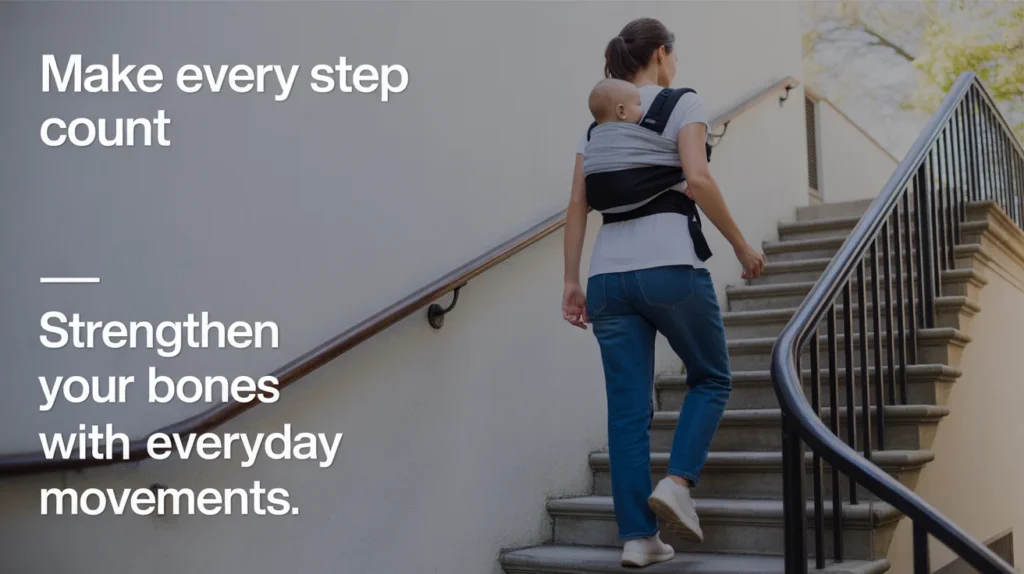
- How to do it: Instead of taking the elevator, always opt for the stairs. You can even dedicate 10-15 minutes to walking up and down the stairs at home. For an extra challenge, carry light groceries or hold small hand weights.
- Why it works: Stair climbing is a fantastic high-impact, weight-bearing exercise that targets the bones in your legs and hips.
3. Bodyweight Squats
Squats are a powerhouse for building strength in your lower body and core, which supports your spine.
- How to do it: Stand with your feet shoulder-width apart. Lower your hips as if you’re sitting in a chair, keeping your chest up and your back straight. Go as low as you comfortably can, then push through your heels to return to the starting position. Aim for 2-3 sets of 10-15 reps.
- Why it works: This muscle-strengthening exercise builds the quadriceps, hamstrings, and glutes, which all connect to and support the bones in your hips and legs.

4. Lunges
Lunges are excellent for improving balance and building strength in your legs and hips.
- How to do it: Step forward with one leg and lower your hips until both knees are bent at a 90-degree angle. Your front knee should be directly above your ankle, and your back knee should hover just above the ground. Push off your front foot to return to the start. Alternate legs and aim for 2-3 sets of 10-12 reps per leg.
- Why it works: Lunges are a unilateral exercise, meaning they work one side of your body at a time, helping to correct imbalances and build stable, strong bones.

5. Push-ups (or Wall Push-ups)
Push-ups are a classic muscle-strengthening exercise that targets your arms, shoulders, and chest, strengthening the bones in your upper body.
- How to do it: If you’re a beginner, start with wall push-ups. Stand facing a wall, place your hands on it, and push your body away. As you get stronger, progress to incline push-ups on a sturdy table, then knee push-ups, and finally, full push-ups on the floor. Aim for 2-3 sets of as many reps as you can manage with good form.
- Why it works: Push-ups strengthen the wrists, arms, and shoulders—areas prone to fracture.

6. Bird-Dog
This exercise is fantastic for improving core stability and balance, which are crucial for fall prevention.
- How to do it: Start on all fours. Extend your right arm straight forward and your left leg straight back, keeping your back flat and your hips level. Hold for a few seconds, then return to the starting position. Repeat on the other side. That’s one rep. Aim for 2-3 sets of 10-12 reps.
- Why it works: By challenging your balance, the bird-dog exercise strengthens your core and the muscles that support your spine.

7 HIIT (High-Intensity Interval Training)
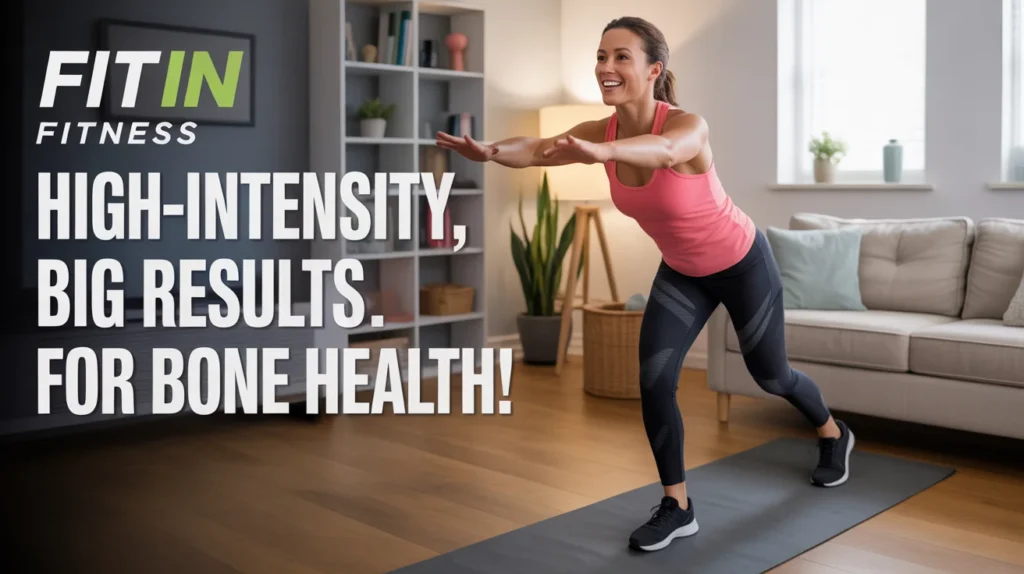
For the mom who is truly short on time, HIIT can be a game-changer. These workouts involve short bursts of intense exercise followed by brief recovery periods.
- How to do it: A HIIT workout could include 30 seconds of jumping jacks, followed by 15 seconds of rest, then 30 seconds of high knees, and so on. A full circuit might only take 15-20 minutes.
- Why it works: The high-impact nature of many HIIT movements, like jumping, provides a strong stimulus for bone growth. This efficient routine of Osteoporosis Exercises fits perfectly into a busy day.
8. Dancing
Put on your favorite music and have a dance party with your kids!
- How to do it: It doesn’t matter what kind of dancing you do—Zumba, hip-hop, or just freestyle in your living room. Just move your body.
- Why it works: Dancing is a fun, weight-bearing exercise that involves moving in multiple directions, which helps build bone strength throughout your body.

9. Tennis or Pickleball
Playing a racquet sport is a great way to combine weight-bearing activity with muscle strengthening and have fun at the same time.
- How to do it: Find a local court and a partner. Even just a 30-minute game can provide a great workout.
- Why it works: The quick, multi-directional movements and the impact of hitting the ball are excellent for stimulating bone growth in your arms, legs, and spine. This is a very effective and engaging form of Osteoporosis Exercises.

10. Resistance Band Exercises
Resistance bands are inexpensive, portable, and perfect for a quick, effective workout at home.
- How to do it: You can perform numerous exercises, like bicep curls, rows, and lateral walks. For a simple row, sit on the floor with your legs extended, loop a band around your feet, and pull the ends toward your chest, squeezing your shoulder blades together.
- Why it works: Bands provide resistance that forces your muscles to work harder, which in turn strengthens your bones.

Combining Exercises for Best Results
The most effective plan includes a mix of different types of exercises. Aim for a combination of weight-bearing cardio and muscle-strengthening workouts throughout your week.
| Exercise Type | Primary Benefit | Frequency Recommendation |
|---|---|---|
| Weight-Bearing | Builds bone density in legs, hips, and spine | 30 minutes, most days of the week |
| Muscle-Strengthening | Strengthens muscles to support the skeleton | 2-3 times per week (non-consecutive days) |
| Balance & Flexibility | Reduces fall risk and improves mobility | Daily, or as often as possible |

Creating a Sustainable Routine
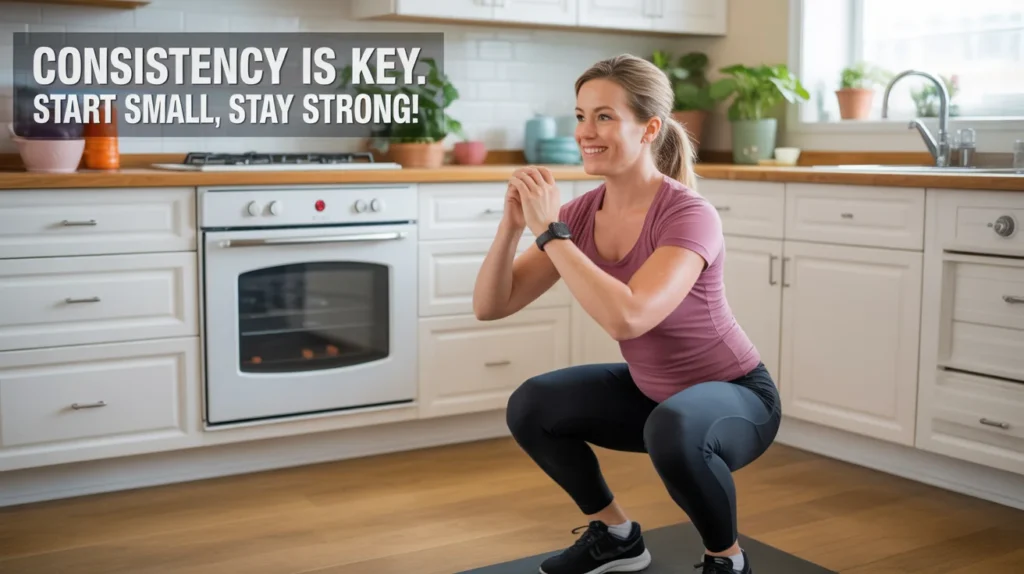
The key to success is consistency. Don’t try to do too much too soon. Start with two or three sessions a week and slowly build from there. The best routine of Osteoporosis Exercises is the one you can stick with. Find activities you genuinely enjoy. If you hate jogging, don’t force it. Try dancing, hiking, or a team sport instead.
Involving your kids or a friend can also help with motivation. Remember, even short bursts of activity add up. A 10-minute walk during your lunch break or a quick set of squats while you wait for dinner to cook can make a real difference. For more ideas on how to get started, the National Institute on Aging offers valuable resources.
Exercises to Approach with Caution
While exercise is beneficial, some movements can increase fracture risk if you already have osteoporosis. It’s wise to be careful with high-impact activities or exercises that involve a lot of bending and twisting of the spine.
High-Impact Exercises
Activities like running or jumping can be great for building bone, but if you have been diagnosed with severe osteoporosis, they may pose a risk. It’s best to consult with your doctor or a physical therapist to determine what level of impact is safe for you.
Spine-Bending Exercises
Movements that involve bending forward from the waist, such as traditional sit-ups or toe-touches, can put pressure on the vertebrae in your spine. A safer alternative for core strength is a plank or the bird-dog exercise mentioned earlier. For more detailed guidance, the Bone Health & Osteoporosis Foundation provides excellent safety information.

Conclusion: Take Charge of Your Bone Health
Your strength is your foundation. As a mom, you need that strength every single day. By prioritizing your bone health, you’re not just investing in yourself; you’re ensuring you can be there for your family, active and energetic, for many years to come.
Start small, stay consistent, and choose activities you love. Incorporating these ten life-changing Osteoporosis Exercises into your routine is a powerful, proactive step toward a stronger, healthier you. You have the power to protect your bones, and you can start today.
Frequently Asked Questions (FAQs)
1. How soon can I expect to see results from these Osteoporosis Exercises?
Bone density changes happen slowly. While you’ll notice improvements in muscle strength and balance within a few weeks, it can take several months of consistent exercise to see measurable changes in bone density. The key is to make it a lifelong habit.
2. Do I need to join a gym to do these exercises?
Absolutely not! Most of the exercises listed, such as walking, squats, lunges, and push-ups, can be done at home with little to no equipment. The goal is to make these Osteoporosis Exercises as accessible as possible for a busy lifestyle.
3. Can I still build bone density after menopause?
Yes. While bone loss accelerates after menopause, research shows that a consistent routine of weight-bearing and muscle-strengthening exercise can help slow bone loss and, in some cases, even modestly increase bone density. It’s never too late to start.